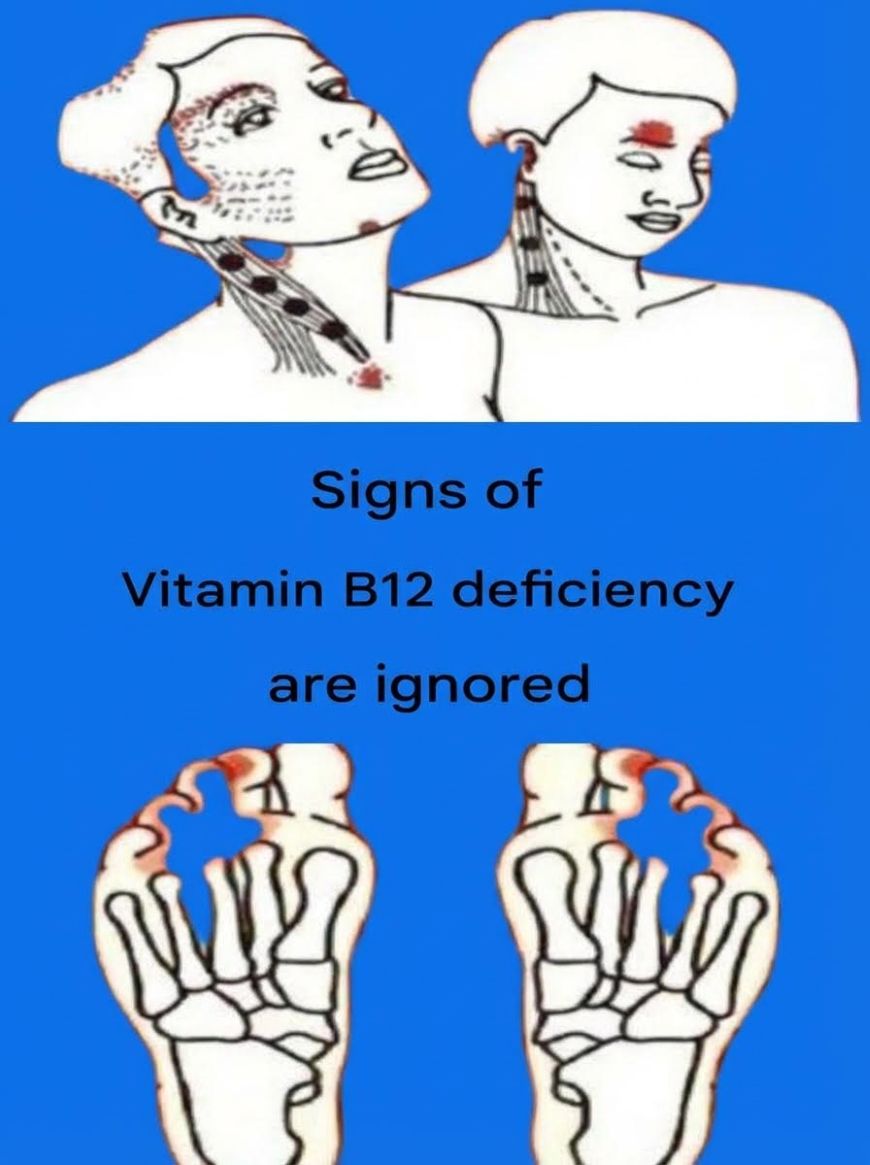
Vitamin B12 is a small nutrient with a big job. It plays a vital role in nerve function, red blood cell production, and DNA synthesis. Yet despite its importance, vitamin B12 deficiency is surprisingly common—and frequently overlooked. Many of its early warning signs are subtle, mistaken for stress, aging, or other everyday issues, allowing the deficiency to progress silently for months or even years.
Understanding the overlooked signs of vitamin B12 deficiency can make a critical difference in long-term health.
Why Vitamin B12 Matters
Vitamin B12 helps keep the nervous system healthy and supports the production of red blood cells. Without enough of it, the body struggles to deliver oxygen efficiently, and nerve cells can become damaged over time. Unlike some vitamins, B12 is not produced by the body and must be obtained from food or supplements.
It is mainly found in animal-based foods such as meat, fish, eggs, and dairy. People who follow vegetarian or vegan diets, older adults, and individuals with digestive disorders are at higher risk of deficiency.
Subtle Fatigue and Weakness
One of the earliest and most ignored signs of vitamin B12 deficiency is persistent fatigue. This is not ordinary tiredness—it’s a deep, lingering exhaustion that doesn’t improve with rest.
Low B12 levels can lead to fewer healthy red blood cells, reducing oxygen delivery throughout the body. As a result, even simple activities can feel draining. Many people dismiss this symptom as stress, poor sleep, or overwork, delaying proper diagnosis.
Tingling and Numbness in Hands and Feet
A tingling or “pins and needles” sensation in the hands or feet is a classic yet often ignored symptom. Vitamin B12 is essential for maintaining the protective sheath around nerves. When levels are low, nerve signals become disrupted.
Because this sensation can come and go, it’s frequently attributed to poor circulation, sitting awkwardly, or minor nerve compression. Over time, however, untreated deficiency can lead to permanent nerve damage.
Memory Problems and Brain Fog
Difficulty concentrating, forgetfulness, and mental confusion are common but overlooked signs of vitamin B12 deficiency. Many people assume these symptoms are caused by aging, stress, or lack of sleep.
In reality, B12 plays a crucial role in brain health. Long-term deficiency has been linked to cognitive decline, mood changes, and even increased risk of dementia if left untreated.
Mood Changes and Depression
Vitamin B12 is involved in the production of neurotransmitters that regulate mood. When levels are low, people may experience unexplained sadness, irritability, anxiety, or depression.
Because mental health symptoms often have multiple causes, B12 deficiency is rarely considered at first. In some cases, addressing the deficiency can significantly improve emotional well-being.
Pale or Yellowish Skin
A noticeable change in skin tone—appearing pale or slightly yellow—can signal vitamin B12 deficiency. This occurs when red blood cells are fragile and break down more easily, releasing bilirubin into the bloodstream.
These changes can be subtle and develop gradually, making them easy to overlook or attribute to poor lighting, illness, or fatigue.
Shortness of Breath and Dizziness
Low B12 levels can cause anemia, leading to reduced oxygen supply in the body. This may result in dizziness, lightheadedness, or shortness of breath, especially during physical activity.
Many people ignore these symptoms or blame them on being out of shape, dehydration, or anxiety, allowing the deficiency to worsen.
Sore Tongue and Mouth Issues
A swollen, inflamed tongue—sometimes described as smooth or glossy—is a lesser-known sign of vitamin B12 deficiency. Mouth ulcers, a burning sensation, or changes in taste may also occur.
These symptoms often appear early but are commonly ignored or treated with topical remedies instead of investigating the underlying cause.
Who Is Most at Risk?
Vitamin B12 deficiency is more likely in:
- Adults over 50, due to reduced stomach acid
- Vegetarians and vegans
- People with digestive conditions such as celiac or Crohn’s disease
- Individuals who have had stomach or intestinal surgery
- Long-term users of certain medications, including acid reducers and metformin
Why Early Detection Matters
Left untreated, vitamin B12 deficiency can cause irreversible nerve damage, severe anemia, and long-term cognitive problems. The good news is that early detection and treatment—often through dietary changes, supplements, or injections—are highly effective.
A simple blood test can confirm deficiency, making it crucial to speak with a healthcare provider if symptoms persist.
Final Thoughts
The signs of vitamin B12 deficiency are often subtle, easy to dismiss, and dangerously underestimated. Fatigue, tingling sensations, memory problems, and mood changes may seem minor at first, but they can signal a deeper nutritional imbalance.
Listening to your body and addressing these warning signs early can protect your nerve health, energy levels, and overall well-being. Sometimes, the symptoms we ignore are the ones that matter most.