The real reason isn’t what you might expect—pay attention next time you eat out.
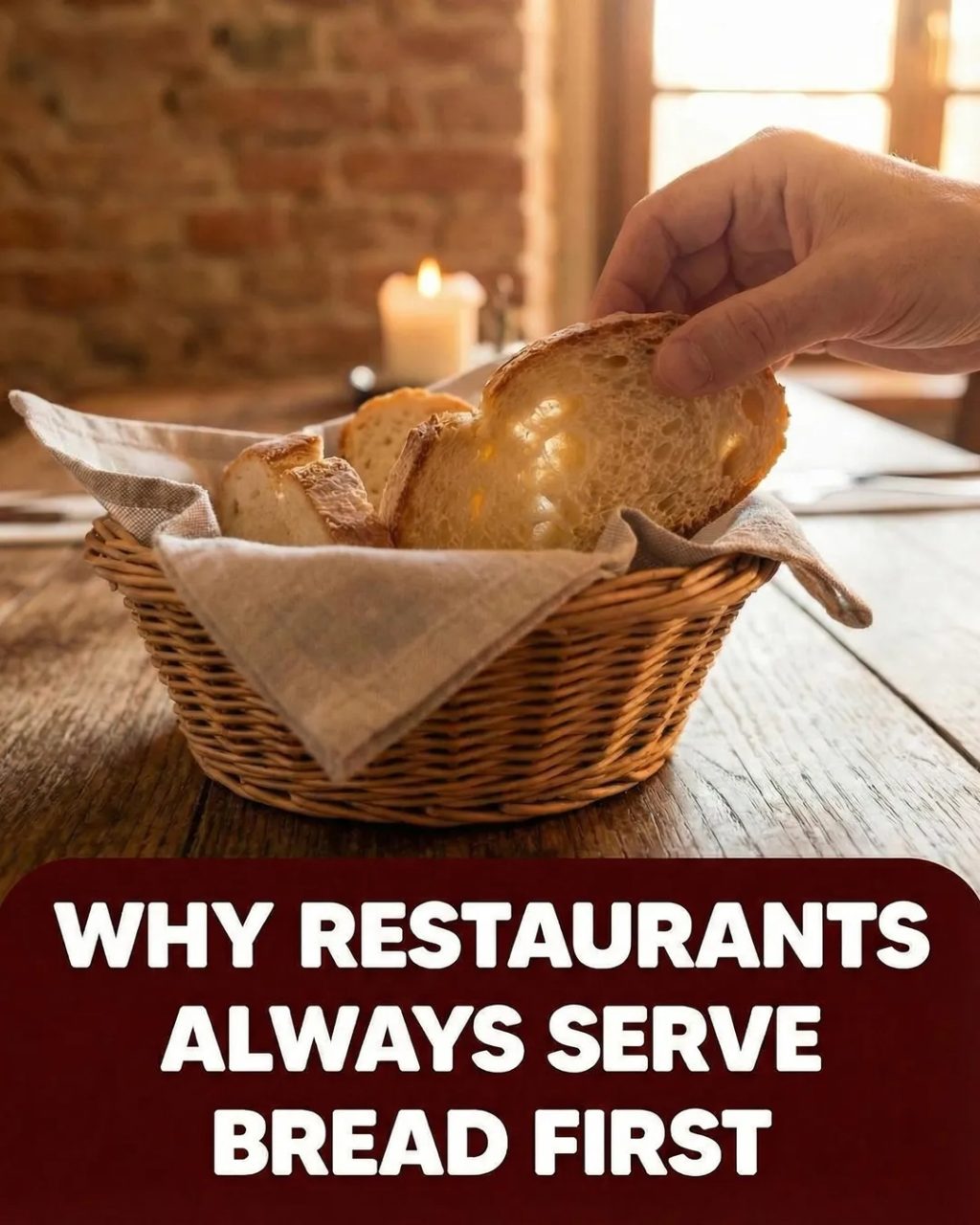
It happens almost automatically. You sit down, glance at the menu, maybe loosen your coat… and before you’ve even decided on a drink, a basket of warm bread appears on the table. Sometimes it’s crusty baguette slices, sometimes soft rolls, sometimes breadsticks with olive oil or butter on the side.
Most people don’t think twice about it. Free bread just feels like a nice gesture—comforting, even generous. But restaurants don’t do things by accident. That bread basket has a purpose, and it’s not just to keep you from getting hangry.
The real reason is a mix of psychology, hospitality, tradition, and smart business—and once you know it, you’ll never look at that basket the same way again.
It Buys Time (Without You Feeling Impatient)
The most practical reason comes down to timing. When guests sit down, the kitchen isn’t ready to fire their meals immediately. Orders need to be taken, drinks prepared, tickets lined up, and dishes coordinated.
Bread quietly fills that gap.
Instead of sitting there watching the clock or feeling ignored, you’re already eating. Your hands are busy, your stomach gets a little something, and suddenly the wait feels shorter—even if it isn’t.
From your perspective, service feels faster. From the restaurant’s perspective, they’ve gained breathing room without you noticing.
That basket is doing customer service work before the server even comes back to the table.
It Sets the Mood Before Anything Else Does
First impressions matter, especially in food.
Warm bread triggers comfort. It smells good, tastes familiar, and instantly makes the table feel welcoming. Before you’ve tried a single dish, you already feel taken care of.
Psychologically, this matters more than we realize. Studies show that when people feel welcomed and relaxed early on, they rate the entire experience more positively—including the food, the service, and even the price.
So even if the entrée is just “good,” that positive first moment lingers. Bread quietly sets the emotional tone of the meal.
It Keeps You From Over-Ordering… or Encourages You to Splurge
This part is sneaky.
A small amount of bread takes the edge off hunger. When you’re less ravenous, you’re calmer, more patient, and less likely to rush decisions. That means fewer complaints, fewer snappy moments, and smoother service.
But here’s the twist: it doesn’t usually fill you up completely.
Instead, it puts you in a comfortable middle ground—no longer starving, but still very much interested in food. That’s often when people are most open to ordering appetizers, drinks, or desserts.
You’re not ordering out of desperation. You’re ordering out of enjoyment.
That’s a sweet spot for restaurants.
It Signals Generosity (Even When It’s Cheap)
Bread is one of the least expensive items a restaurant can offer, especially compared to proteins or prepared dishes. Flour, yeast, and water go a long way.
But to diners, free bread feels generous.
That perception matters. When guests feel they’re getting “something for free,” they’re often more forgiving about prices elsewhere. A €24 entrée feels more reasonable when the meal started with a complimentary basket.
It’s a small cost that creates a big goodwill return.
It’s a Cultural Habit That Became an Expectation
In many cuisines—especially Italian, French, and Mediterranean—bread has always been a table staple. It wasn’t a bonus; it was part of the meal itself.
Over time, restaurants in other cultures adopted the practice, partly to match that sense of abundance and hospitality. Eventually, diners came to expect it.
And once something becomes an expectation, not offering it can feel like something is missing—even if no one consciously complains.
That’s why some restaurants that stop serving bread get pushback. People don’t miss the calories; they miss the ritual.
It Keeps the Table Busy (And Happier)
There’s a subtle social reason too.
Bread gives people something to do while waiting. They tear it, pass it, dip it, talk about it. It breaks awkward silences, especially at business meals or first dates.
A table with bread feels active. A table without anything can feel stalled.
Busy guests are happier guests—and happier guests tip better.
Why Some Restaurants Are Quietly Cutting Back
If you’ve noticed bread baskets disappearing or shrinking, that’s not your imagination.
Food costs, waste reduction, and dietary shifts all play a role. Many restaurants now wait until guests ask for bread, offer it only with certain meals, or replace it with paid options.
But even when it’s gone, the logic behind it hasn’t changed. Restaurants are still looking for ways to create comfort, patience, and goodwill early in the meal—just with different tools.
So Next Time…
When that basket lands on your table, remember: it’s not random, and it’s not just generosity. It’s timing. Psychology. Tradition. Strategy.
It’s a quiet way of saying, “Relax. You’re welcome here. Your meal is on its way.”
And honestly? If a warm piece of bread can do all that, it’s earned its place on the table. 🥖