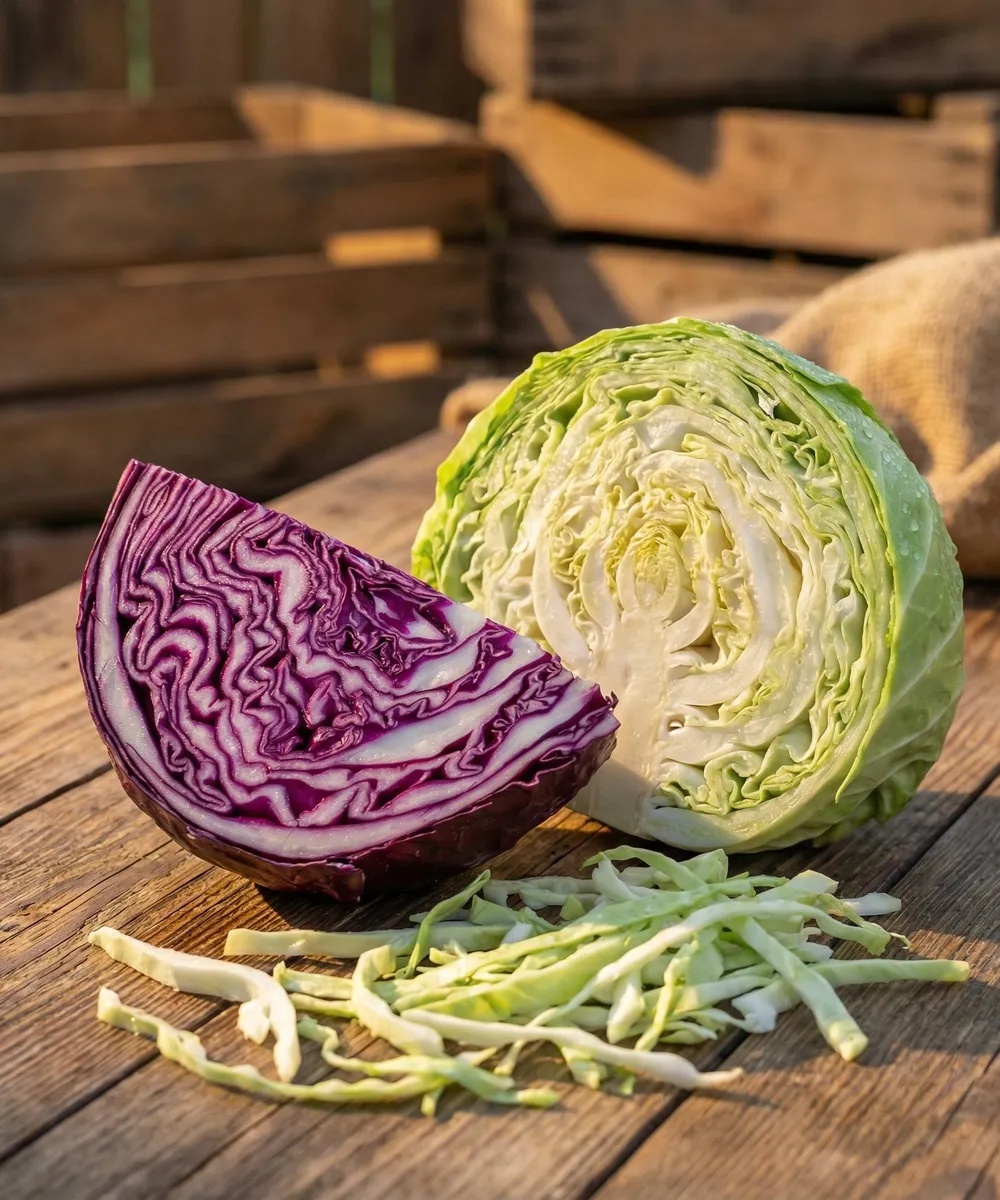
Cabbage is one of those vegetables that quietly sits in the background of many meals—often overshadowed by trendier greens like kale or spinach. But according to doctors and nutrition experts, cabbage deserves far more attention. This humble cruciferous vegetable can trigger a range of effects in the body, some beneficial and others worth understanding before you pile it onto your plate.
A Nutrient-Dense Powerhouse
Doctors point out that cabbage is packed with essential nutrients while being very low in calories. It contains vitamin C for immune support, vitamin K for blood clotting and bone health, and fiber that supports digestion. Regular consumption can help people feel fuller longer, which may support healthy weight management.
Improved Digestive Health
One of the most commonly noted effects of eating cabbage is its impact on digestion. The fiber in cabbage feeds beneficial gut bacteria and promotes regular bowel movements. Fermented cabbage, such as sauerkraut or kimchi, goes a step further by introducing probiotics that may improve gut balance and overall digestive comfort.
However, doctors also caution that for some people—especially those with sensitive stomachs or irritable bowel syndrome—cabbage can cause bloating or gas due to its natural sulfur compounds.
Anti-Inflammatory and Heart Benefits
Cabbage contains antioxidants like polyphenols and sulfur-based compounds that help fight inflammation. Chronic inflammation is linked to heart disease, diabetes, and other long-term conditions. By reducing oxidative stress, cabbage may contribute to better heart health and improved circulation.
Its potassium content also helps regulate blood pressure by balancing sodium levels in the body.
Potential Support in Cancer Prevention
Doctors emphasize that cabbage contains glucosinolates, compounds that break down into substances studied for their role in cancer prevention. While cabbage is not a cure or guarantee against cancer, diets rich in cruciferous vegetables are consistently associated with lower risks of certain cancers in population studies.
Effects on Thyroid Function
One important warning doctors share involves raw cabbage consumption. In very large amounts, raw cabbage contains goitrogens—substances that can interfere with iodine uptake in the thyroid. For most people, this is not an issue. But those with thyroid conditions are often advised to cook cabbage, which significantly reduces this effect.
Skin and Immune System Benefits
Thanks to its high vitamin C content, cabbage supports collagen production, which plays a role in skin elasticity and wound healing. Doctors also note that vitamin C strengthens immune defenses, helping the body fight infections more effectively.
The Bottom Line
Doctors agree that eating cabbage can cause noticeable changes in the body—most of them positive—when consumed as part of a balanced diet. Improved digestion, reduced inflammation, and better nutrient intake are common benefits. However, moderation and preparation matter, especially for individuals with sensitive digestion or thyroid concerns.
Cabbage may be simple, inexpensive, and often overlooked—but when eaten wisely, it can be one of the most impactful vegetables on your plate.