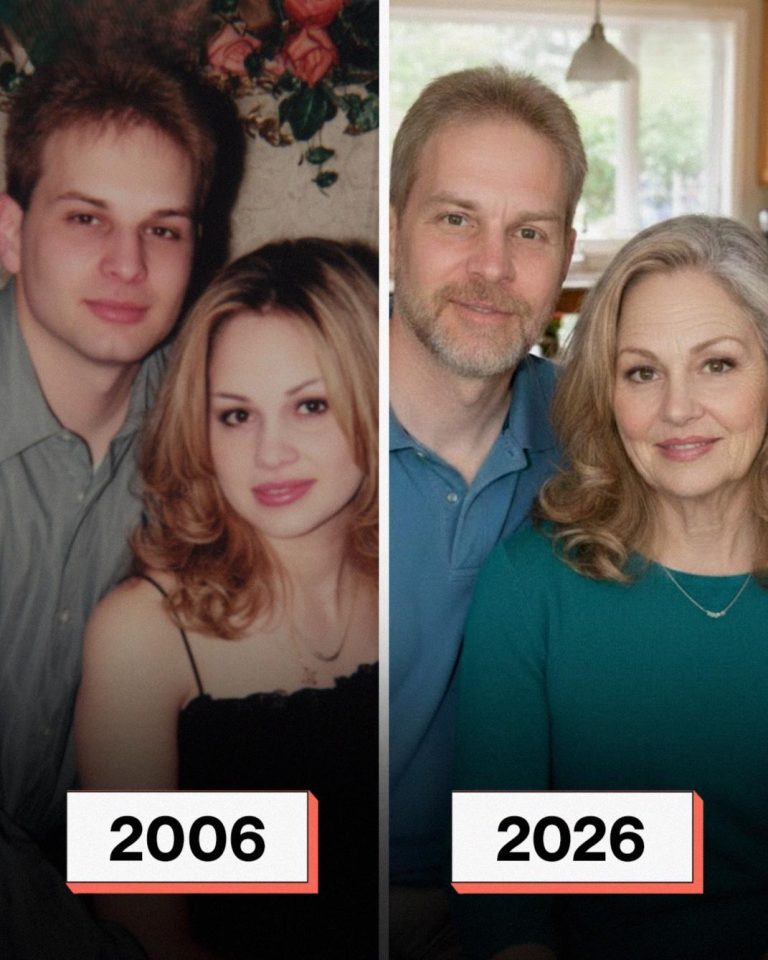
Sixteen years ago, my son Mark died in a construction accident.
One phone call. One sentence that split my life clean in two.
Mark was young, strong, full of plans. He left behind a small house, a toolbox still by the door—and a wife who barely stayed long enough for the dust to settle.
Melissa.
Within weeks of the funeral, she packed her things, left her two-year-old daughter Emma with me, and disappeared with a man who had more money than memories. No goodbye. No explanation. Just a note saying she “needed more out of life.”
So I became a grandmother and a mother overnight.
I raised Emma in Mark’s modest little house. I took side jobs—cleaning, sewing, helping neighbors—anything that kept the lights on and food in the fridge. We didn’t have much, but Emma never complained. She was the kind of child who learned early how to be grateful without being bitter.
She grew up kind. Quiet. Thoughtful.
And when prom season rolled around, I knew exactly one thing: no matter how tight money was, Emma would feel special.
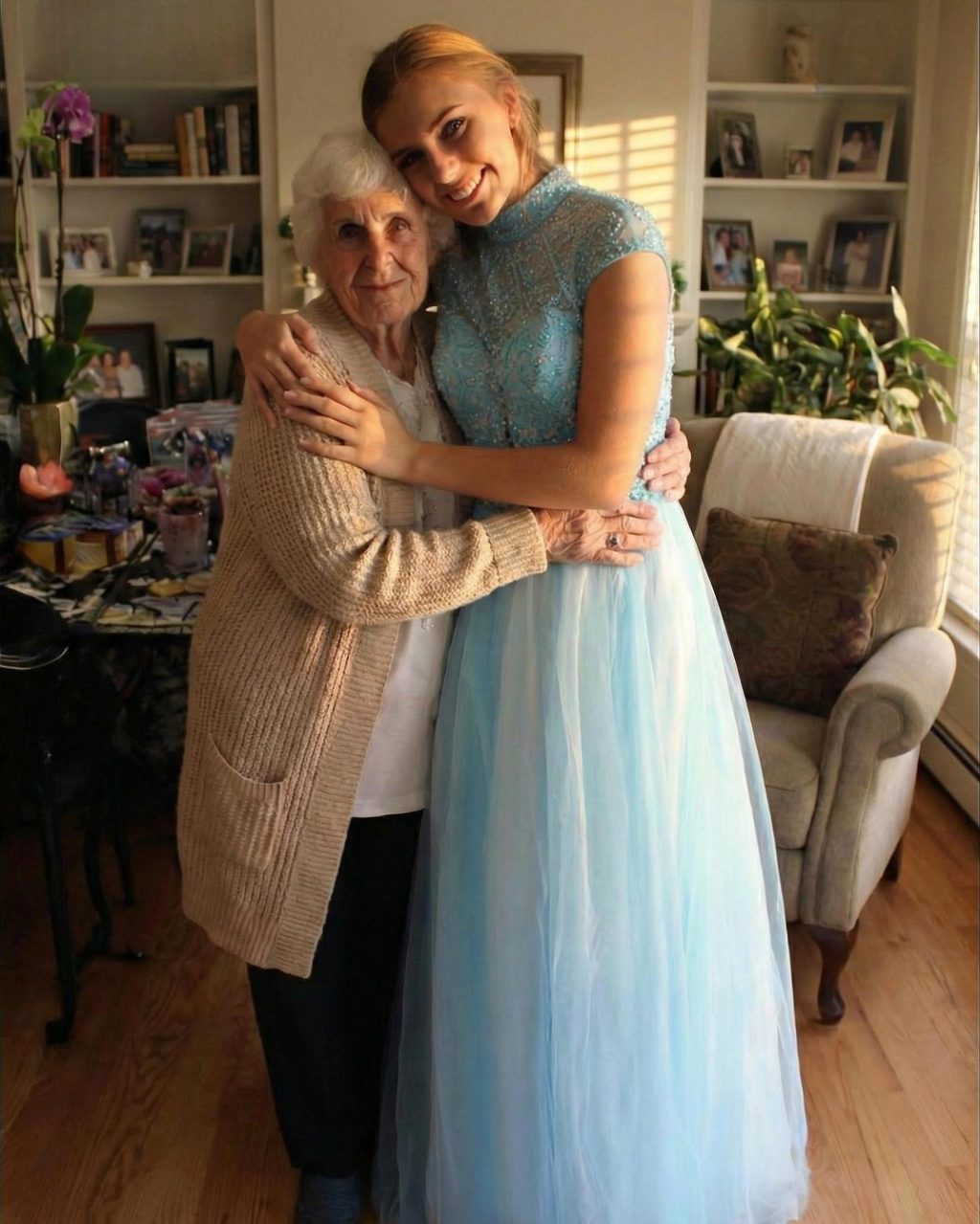
I pulled my old sewing machine out of the closet. The same one I’d used to hem Mark’s school pants years ago. I bought fabric on sale—soft blue chiffon, nothing flashy—and worked every evening for weeks.
My fingers ached. My back complained. But stitch by stitch, a dress took shape.
When Emma tried it on, she stood in front of the mirror, hands covering her mouth.
Tears filled her eyes.
“Grandma,” she whispered, “it’s the most beautiful dress I’ve ever seen.”
That alone made every late night worth it.
She twirled, laughing softly, the skirt floating around her knees.
That’s when the knock came.
I opened the door—and my heart dropped.
Melissa stood there like she’d stepped out of a magazine. Designer heels, flawless makeup, hair styled just so. Her perfume filled the hallway, sharp and expensive.
She smiled a smile that never reached her eyes.
“Hi,” she said brightly. “I thought I’d surprise you.”
Emma froze.
Then Melissa swept forward and wrapped her in a hug, all practiced affection.
“I brought you a special gift,” she said.
She unzipped a large bag and pulled out a glittering designer gown. Sequins. Silk. A price tag that probably cost more than my car.
She glanced at the dress I’d sewn—just once—and her lips tightened.
“Oh sweetheart,” she said lightly, “you can’t wear that. People will laugh at you. This is prom. You need a real dress.”
My chest tightened.
I wanted to scream. I wanted to throw her out.
But a small, foolish part of me wondered—maybe she’d come back for the right reasons. Maybe she wanted to reconnect with her daughter.
Then something slipped from her bag.
An envelope.
Emma bent down to pick it up—and froze.
Her name was written on the front.
She opened it.
And gasped.
Inside was a legal notice.
Not a letter of love. Not an apology.
A custody petition.
Emma looked up slowly, her face drained of color.
“You… you’re suing for custody?” she whispered.
Melissa’s smile cracked.
“Emma, honey, don’t be dramatic. It’s just paperwork.”
“Why?” Emma asked, her voice shaking. “Why now?”
Melissa sighed, annoyed the way someone does when a plan goes off script.
“My husband thinks it’s time,” she said. “You’re almost eighteen. College looks better when you live with your real mother. And frankly…” she glanced around the house, “…this environment isn’t exactly ideal.”
I felt my knees go weak.
Emma clenched the envelope in her hands.
“So the dress,” she said quietly. “This is all just a show?”
Melissa hesitated. Too long.
“I thought you’d appreciate having nicer things,” she said finally. “You deserve more.”
Emma didn’t cry.
She walked to the mirror.
Looked at herself in the blue dress I’d sewn.
Then she turned back.
“I already have everything I deserve,” she said. “I have someone who stayed.”
The room went silent.
Melissa scoffed. “You’re being emotional. We’ll talk later.”
She reached for Emma’s arm.
Emma stepped back.
“No,” she said firmly. “You left. You don’t get to rewrite history because it’s convenient.”
I felt tears spill down my face.
Melissa grabbed her bag, furious now, mask completely gone.
“This isn’t over,” she snapped.
And then she left.
The custody case never went anywhere. The judge barely entertained it. Sixteen years of absence doesn’t vanish because someone suddenly wants credit for a life they didn’t raise.
Prom night came.
Emma wore the blue dress.
She looked radiant.
Not because of the fabric—but because of the confidence stitched into every seam.
When she left for the dance, she hugged me tight.
“I’ll never forget what you did for me,” she said.
I smiled. “You already paid me back,” I told her. “Every single day you chose kindness.”
Years later, that dress still hangs in the closet.
And Emma? She kept it.
“Just in case,” she once told me. “In case I ever need to remember who really loved me.”
And sometimes, love looks like glitter.
But most of the time—it looks like staying.