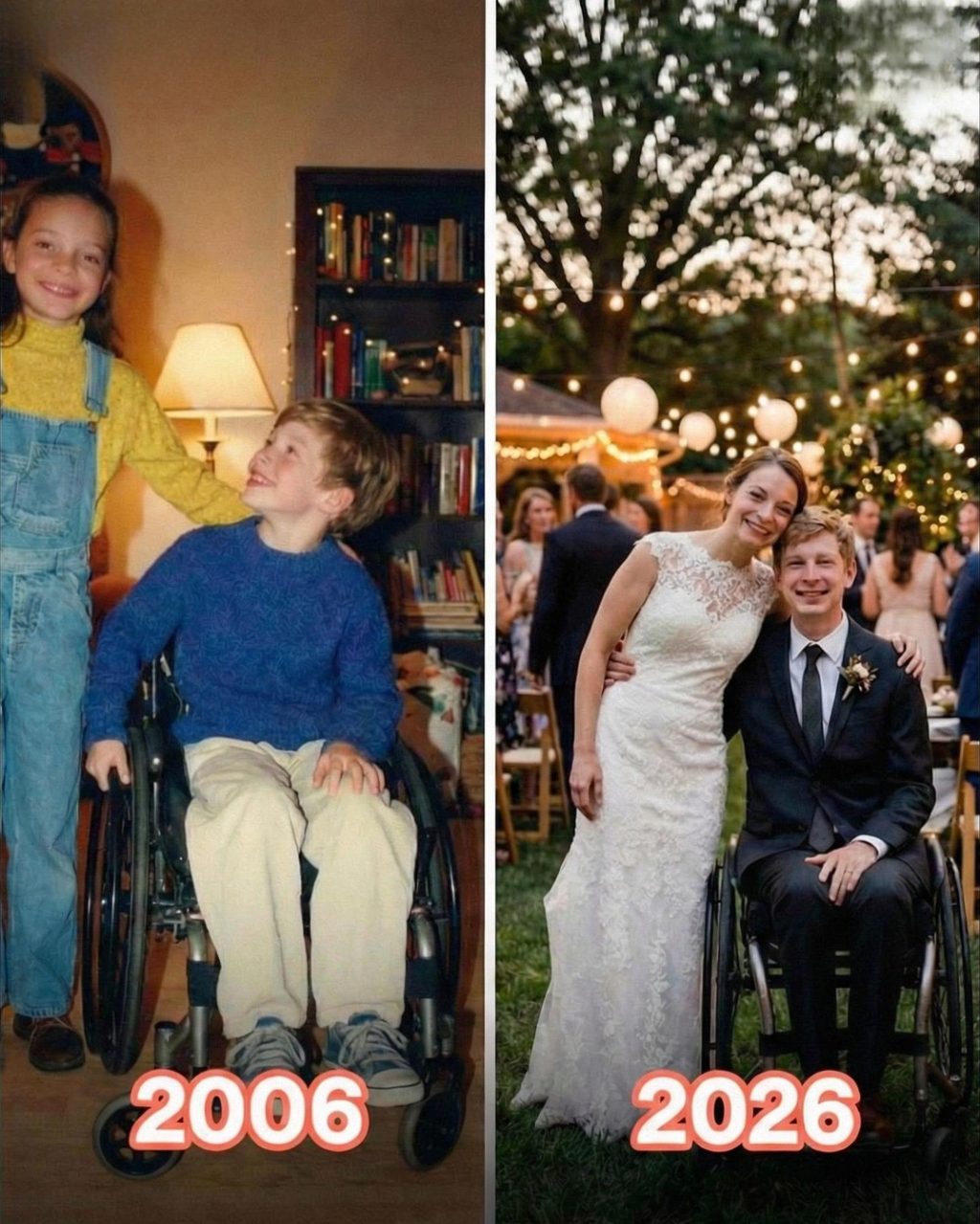
I married the man I grew up with in an orphanage.
The morning after our wedding, a stranger knocked on the door and said, “There’s something you don’t know about your husband.”
I’m 28, and I grew up in the foster system.
By the time I was eight years old, I’d already been passed through more foster homes than I could count. Some families tried. Some didn’t. But every single one of them eventually sent me back. I learned early how to pack my things fast and not get attached.
So when I was transferred to yet another orphanage, I didn’t expect anything different.
That’s where I met Noah.
He was nine, a year older than me, and used a wheelchair because of a congenital spinal condition. Most of the kids kept their distance—not out of cruelty, exactly, but discomfort. They didn’t know what to say or how to act.
I didn’t care.
I sat next to him at lunch. I helped him reach books on the higher shelves. We whispered jokes after lights-out and got in trouble together more times than I can count.
Noah was sharp and sarcastic and endlessly kind. He listened when I talked. He remembered small things about me—my favorite cereal, how I hated thunderstorms, how I pretended not to care when families visited the orphanage looking to adopt.
Neither of us ever was.
As the years passed, other kids came and went. We stayed. Side by side. Two kids growing up knowing, deep down, that we were all the family we had.
When we aged out of the system, leaving felt terrifying—but leaving together made it bearable.
We got a tiny apartment with peeling paint and a heater that barely worked. We worked part-time jobs, went to college, and learned how to stretch a dollar so thin it felt like a skill you could put on a résumé. We filled the place with secondhand furniture and mismatched dishes and laughter that came from surviving things other people never had to imagine.
Somewhere along the way, our friendship shifted.
It wasn’t dramatic. No sudden confessions. Just a quiet realization that he was the person I trusted most in the world. The one I wanted beside me, always.
We fell in love the way people who’ve known each other forever do—slowly, deeply, and without fear.
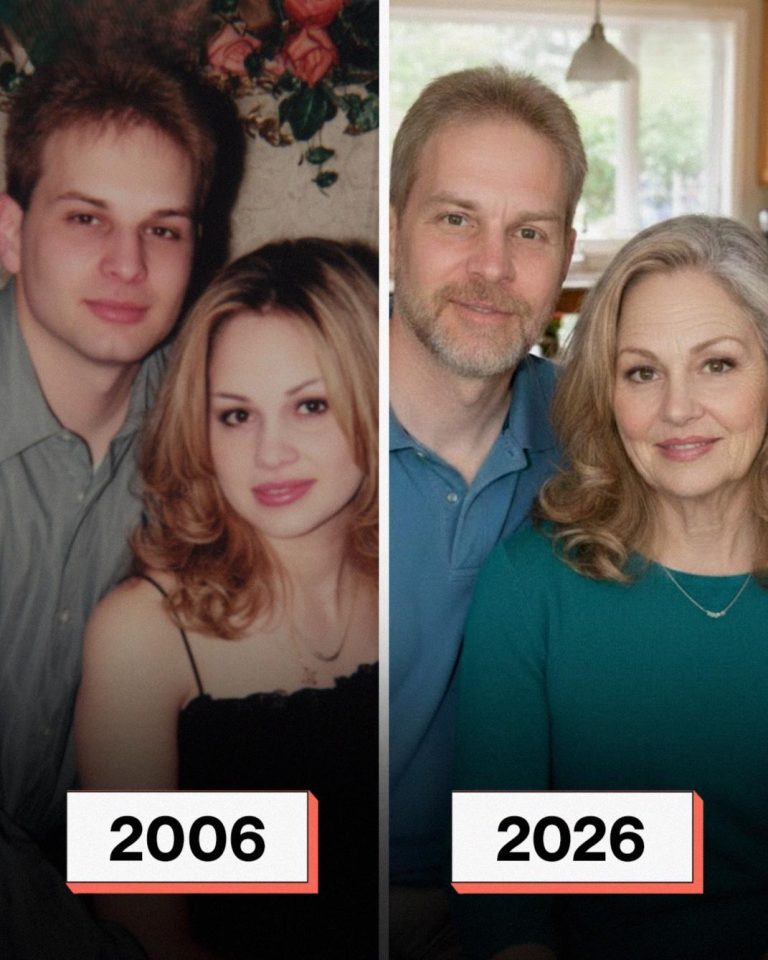
After college, Noah proposed. A few years later, we got married.
The wedding was small. No families on either side. Just close friends who’d become our chosen family. But it was perfect. I’d never felt so safe or so sure of anything in my life.
That night, we fell asleep exhausted and happy, tangled together like we always had.
The next morning, there was a loud knock at the door.
Noah was still asleep, so I slipped out of bed and opened it.
And froze.
A man I didn’t recognize stood in the hallway. He was well-dressed, hair neatly combed, posture stiff like someone used to control. He looked… out of place. Too polished for our modest apartment building.
He cleared his throat.
“Good afternoon,” he said. “I know we don’t know each other, but I need to tell you the truth about your husband. I’ve been looking for him for a long time.”
My stomach dropped.
Before I could respond, he handed me an envelope—thick, heavy.
“There’s something you don’t know about your husband,” he said quietly. “You need to read the letter inside. Then you’ll understand everything.”
And with that, he turned and walked away down the hall.
I stood there for a long moment, my heart pounding so hard it felt like it might crack my ribs.
I closed the door and sat at the kitchen table, staring at the envelope.
My hands shook as I opened it.
Inside was a letter.
The handwriting was careful. Formal.
It explained that Noah had been born into a wealthy family. That his parents had been advised—pressured—to give him up because of his disability. That his condition was seen as a liability, something that might damage the family name.
They’d been told he’d have a better life elsewhere.
They were wrong.
The letter went on to explain that the man at the door was a representative of that family. That Noah’s biological father had died recently, leaving behind an estate—and unanswered questions. They had spent years trying to locate the child they’d abandoned.
Noah.
I felt sick.
When Noah wheeled into the kitchen, rubbing sleep from his eyes, I must have looked like I’d seen a ghost.
“What’s wrong?” he asked immediately.
I handed him the letter without a word.
He read it silently.
I watched his face change—confusion, then understanding, then something that looked like old pain resurfacing.
“I always suspected,” he said quietly when he finished. “I just never wanted to know for sure.”
“They’re offering money,” I said. “Inheritance. A chance to reconnect.”
Noah laughed once, bitterly.
“They didn’t want me when I needed them,” he said. “Why would I want them now?”
There was a knock at the door again.
This time, Noah insisted on opening it.
The man stood there once more, clearly surprised to see him.
“I’m not interested,” Noah said before he could speak. “You can tell them that.”
The man hesitated. “You could have everything. Care. Security. Answers.”
Noah looked at him steadily.
“I already have everything,” he said, gesturing back toward me, toward our tiny apartment, toward the life we’d built with our own hands. “And I found it without them.”
The door closed gently but firmly.
Later that day, we went for a walk. The sun was warm. The world felt strangely quiet.
“Are you okay?” I asked.
Noah reached for my hand.
“I spent my whole childhood wondering why I wasn’t chosen,” he said. “But now I realize something.”
“What?”
“They didn’t abandon me. They lost me.”
I squeezed his hand, tears burning my eyes.
We went home, made coffee, and started our life as husband and wife—not defined by secrets or bloodlines, but by choice.
Love wasn’t something Noah was ever missing.
It was something he’d built, piece by piece.
And so had I.