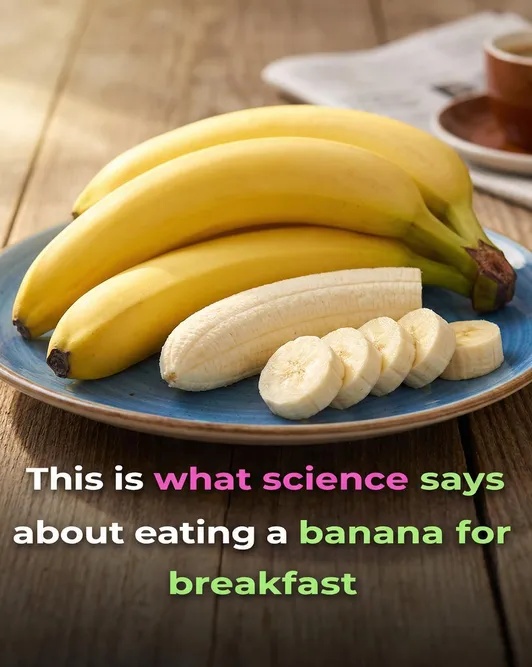
For something so simple, the banana carries an outsized reputation. It’s quick, portable, naturally sweet, and often the first food people reach for in the morning. But is a banana actually a good breakfast choice—or just a convenient one? Science offers a more nuanced answer than a simple yes or no.
Here’s what research and nutrition science really say about starting your day with a banana.
A Fast Source of Morning Energy
Bananas are rich in carbohydrates, primarily in the form of natural sugars like glucose, fructose, and sucrose. These carbs are easily digested and quickly absorbed, which means they can provide a rapid energy boost—something many people crave first thing in the morning.
For athletes or anyone heading into a physically demanding day, this quick energy can be useful. Studies on exercise nutrition consistently show bananas to be an effective pre- or post-workout food, comparable to some sports drinks when it comes to fueling muscles.
That said, quick energy also means quick use. On its own, a banana may not keep you full for very long.
Fiber: Helpful, But Not a Hunger Cure
A medium banana contains about 3 grams of fiber, mostly soluble fiber and resistant starch (especially if the banana is slightly green). Fiber slows digestion and helps stabilize blood sugar levels, which is a positive thing in the morning.
However, compared to a balanced breakfast with protein and fat, a banana’s fiber content is modest. Many people find that eating only a banana leads to hunger returning within an hour or two. Science backs this up: meals lacking protein and fat tend to be less satiating, even if they contain fiber.
In short, a banana helps—but it’s not a breakfast powerhouse by itself.
Blood Sugar: Gentler Than You Might Think
Because bananas are sweet, they often get labeled as “too sugary” for breakfast. In reality, bananas have a moderate glycemic index, meaning they raise blood sugar at a steady, not dramatic, pace—especially when eaten with other foods.
The fiber and natural structure of the fruit slow sugar absorption compared to processed breakfast items like pastries or sweetened cereals. For most healthy individuals, a banana will not cause a problematic blood sugar spike.
That said, people with insulin resistance or diabetes may benefit from pairing a banana with protein or fat to further reduce blood sugar fluctuations.
Potassium and Morning Physiology
Bananas are famously high in potassium, a mineral essential for nerve function, muscle contraction, and fluid balance. After a night of sleep—when the body hasn’t had water or electrolytes for hours—potassium intake can support hydration and normal muscle function.
Some research suggests that adequate potassium intake is linked to better blood pressure regulation, which makes bananas a heart-friendly choice overall. While one banana won’t transform your health, it contributes meaningfully to daily mineral needs.
Mood and Brain Benefits
Bananas contain vitamin B6, which plays a role in neurotransmitter production, including serotonin and dopamine—chemicals involved in mood regulation. While eating a banana won’t instantly make you happy, sufficient B6 intake supports normal brain function and energy metabolism.
There’s also tryptophan present in bananas, an amino acid often associated with serotonin production. The effect is subtle, but from a biological perspective, bananas do offer nutrients linked to mental well-being.
The Biggest Scientific Caveat: Protein
From a nutritional science standpoint, the main limitation of eating only a banana for breakfast is the lack of protein. Protein is critical in the morning because it:
- Promotes fullness
- Stabilizes blood sugar
- Supports muscle maintenance
- Helps prevent mid-morning energy crashes
Studies on breakfast composition consistently show that protein-rich breakfasts lead to better appetite control and sustained energy throughout the day.
A banana alone doesn’t meet that standard—but it works very well as part of a larger breakfast.
How Science Suggests You Eat a Banana for Breakfast
Instead of skipping bananas, research points to pairing them strategically:
- With protein: Add Greek yogurt, eggs, cottage cheese, or nut butter
- With healthy fats: Almond butter, peanut butter, or chia seeds
- With whole grains: Oats or whole-grain toast for longer-lasting energy
This combination slows digestion, improves satiety, and turns a simple fruit into a balanced, science-backed breakfast.
The Bottom Line
Science doesn’t say you shouldn’t eat a banana for breakfast—but it does say you probably shouldn’t eat only a banana if you want lasting energy and fullness.
A banana is:
- Nutritious
- Easy to digest
- Rich in potassium and fiber
- A solid source of quick energy
But it works best when paired with protein and healthy fats.
So if a banana is what gets you eating in the morning, that’s already a win. Just don’t let it work alone.