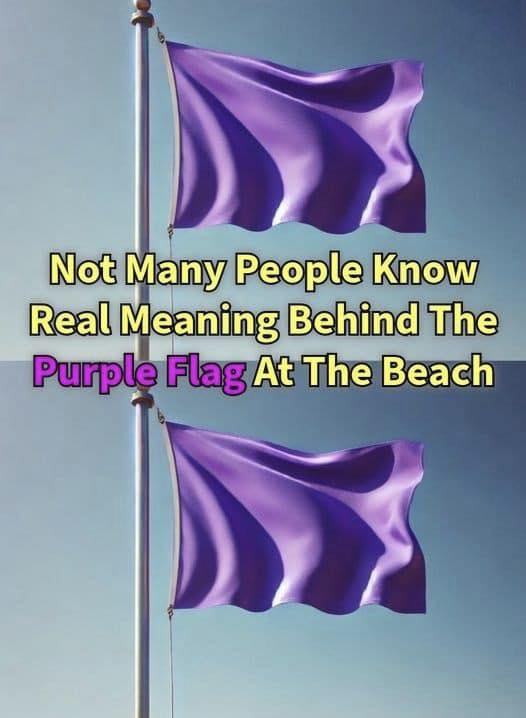
It can be confusing—and a little alarming—when lifeguards suddenly raise a purple flag and start clearing the shoreline. Many beachgoers assume it means bad weather or pollution. In reality, the purple flag carries a very specific and important warning that can help keep you safe.
What the Purple Flag Actually Means
A purple flag at the beach signals the presence of dangerous marine life in the water. This can include:
- Jellyfish or Portuguese man o’ war
- Stingrays
- Sharks
- Other potentially harmful sea creatures
Unlike flags that warn about rough surf or strong currents, the purple flag is about what’s in the water, not how the water is moving.
Why Lifeguards Take It So Seriously
Marine life warnings aren’t posted casually. Lifeguards raise the purple flag when they:
- Spot dangerous animals near swimmers
- Receive confirmed reports of stings or bites
- Observe seasonal or environmental conditions that increase risk
In some cases—especially when multiple sightings occur or injuries are reported—lifeguards may temporarily close the beach to prevent further harm.
Why You Might Be Asked to Leave Entirely
You may wonder why you can’t just stay on the sand. The reason is simple:
Certain marine animals can move quickly and unpredictably, and conditions can change fast. Clearing the area:
- Reduces panic if an incident occurs
- Gives lifeguards room to respond to emergencies
- Prevents people from re-entering the water out of curiosity
It’s a precaution designed to protect everyone, not an overreaction.
How the Purple Flag Fits Into the Beach Flag System
Many beaches use a standardized flag system:
- Green: Calm conditions
- Yellow: Moderate surf or currents
- Red: Dangerous conditions
- Double red: Water closed to the public
- Purple: Dangerous marine life present
Sometimes the purple flag is flown alongside other flags, indicating multiple hazards at once.
What You Should Do If You See a Purple Flag
- Stay out of the water immediately
- Follow lifeguard instructions
- Keep children and pets away from the shoreline
- Avoid touching stranded marine life—even if it looks harmless
The Bottom Line
If you ever see a purple flag raised, it’s not a mystery symbol—it’s a clear warning. Lifeguards don’t raise it unless there’s a real risk, and leaving the beach when asked could prevent serious injury.
So the next time it happens, you’ll know:
The ocean hasn’t turned against you—but something in it might be closer than you think.
Staying informed is one of the easiest ways to stay safe at the beach.