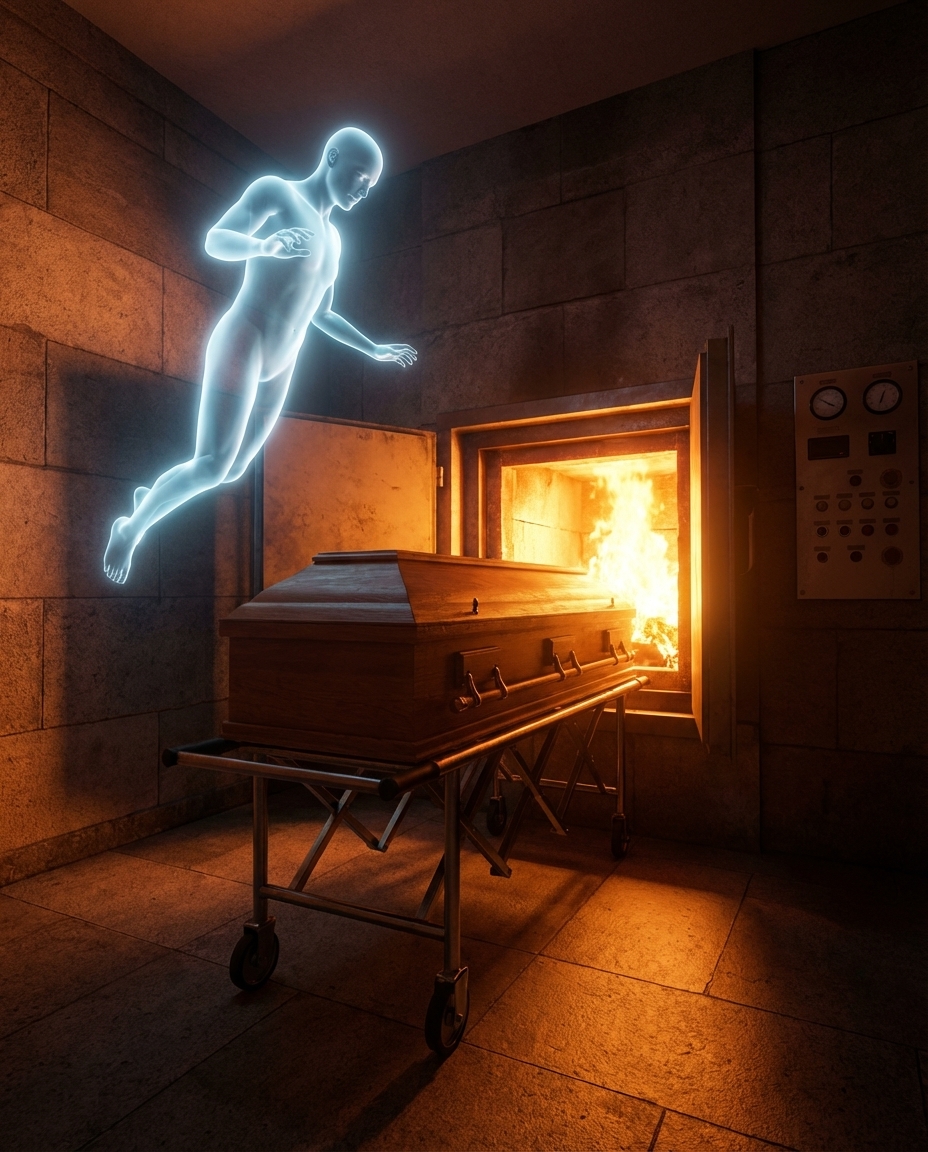
The question of whether cremation is a sin often arises during times of grief, when families are trying to honor loved ones while also staying faithful to their beliefs. Many people hear claims that “the Bible forbids cremation” or that it is somehow sinful in God’s eyes. But what does Scripture truly say about cremation—and how have different Christian traditions understood it over time?
The answer is more nuanced than a simple yes or no.
Does the Bible Explicitly Condemn Cremation?
No.
The Bible does not directly command or forbid cremation.
There is no verse in Scripture that states cremation is a sin. Instead, the Bible records burial as the most common practice among God’s people, which is why many believers historically preferred it. Preference, however, is not the same as prohibition.
Why Burial Was the Norm in the Bible
Throughout Scripture, burial is consistently described:
- Abraham buried Sarah (Genesis 23)
- Jacob was buried with his ancestors (Genesis 49:29–33)
- Jesus Himself was buried in a tomb (Matthew 27:57–60)
Because burial was customary, many Christians came to see it as the biblical model. Some also associate burial with verses like:
“For dust you are, and to dust you shall return.”
—Genesis 3:19
This imagery reflects the natural return of the body to the earth—but it does not explicitly exclude cremation, which also reduces the body to dust.
Passages Often Cited Against Cremation
Some verses mention burning bodies, usually in contexts of judgment, punishment, or dishonor, such as:
- Joshua 7:25 – Achan’s body was burned after execution
- Amos 2:1 – Condemnation for burning bones as an act of disrespect
However, these passages describe specific historical judgments, not funeral practices. The burning itself is not condemned universally—the sin lay in the actions surrounding it, not in cremation as a concept.
Resurrection and the Body: A Common Concern
One major reason cremation has been questioned is the belief in bodily resurrection.
Some ask:
“If the body is cremated, how can God resurrect it?”
Biblically speaking, this concern doesn’t hold up. Scripture teaches that God’s power is not limited by physical condition:
- Many believers die at sea
- Others are lost in fires, disasters, or decomposition
- Yet Scripture affirms resurrection for all (1 Corinthians 15)
“What is sown perishable is raised imperishable.”
—1 Corinthians 15:42
The resurrection depends on God’s power, not the preservation of human remains.
What the Bible Emphasizes Instead
Rather than focusing on how a body is treated after death, Scripture emphasizes:
- The condition of the heart
- Faith in Christ
- Respect and dignity in honoring the dead
- Hope in resurrection and eternal life
“The Lord looks at the heart.”
—1 Samuel 16:7
The Bible places far greater importance on how a person lived and believed than on the physical method of burial.
How Christian Traditions View Cremation Today
- Catholic Church: Once opposed cremation, now permits it (since 1963), provided it is not chosen to deny belief in resurrection.
- Protestant denominations: Most allow cremation and do not consider it sinful.
- Orthodox Christianity: Still generally prefers burial but focuses more on tradition than explicit biblical command.
So, Is Cremation a Sin?
Biblically speaking: no clear teaching declares cremation a sin.
What would be sinful is:
- Choosing cremation to mock God or deny resurrection
- Treating human remains without dignity or respect
- Using the act to reject faith rather than honor life
Intent matters far more than method.
Final Thoughts
The Bible does not issue a commandment against cremation. While burial remains deeply rooted in biblical tradition and symbolism, Scripture ultimately teaches that God’s concern is the soul, the heart, and faith—not the state of the body after death.
For believers, the hope rests not in the grave—or ashes—but in the promise:
“Whoever believes in Me will live, even though they die.”
—John 11:25
In the end, honoring God comes from trust, love, and faith—not from fear over funeral practices.