My wife, Jenna, disappeared without a trace.
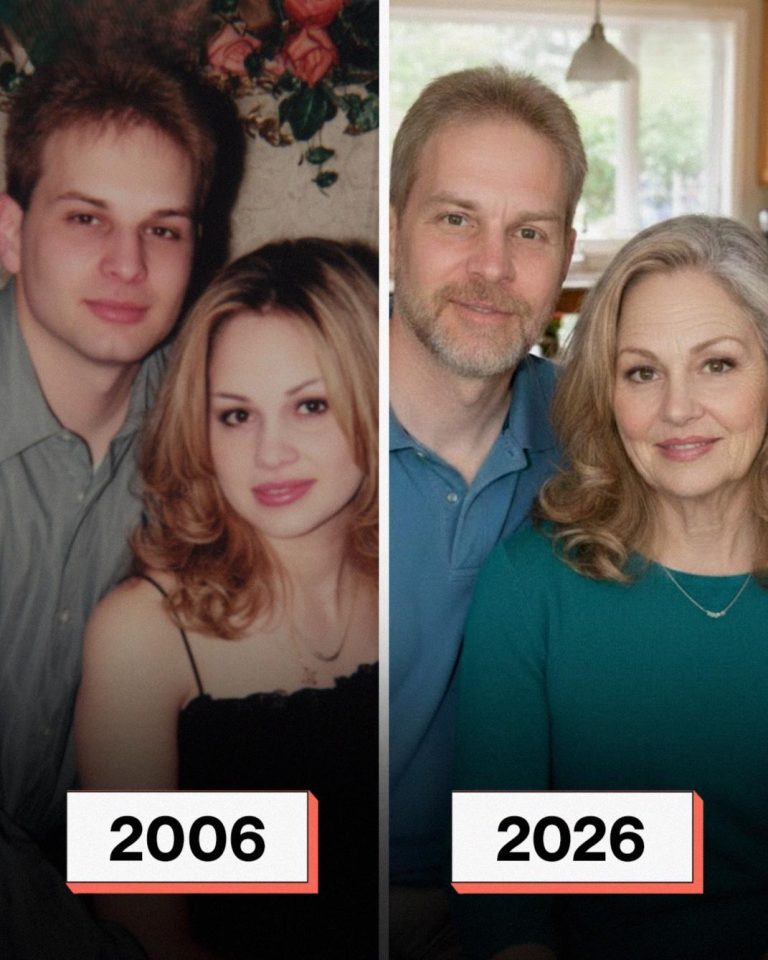
After twelve years together, all she left behind was her wedding ring on the bathroom sink and a single line written on the back of a grocery receipt:
“Don’t look for me.”
At first, I panicked, convinced someone had forced her to write it.
Jenna was a nurse—responsible, grounded, steady. The kind of woman who triple-checked the stove before bed and never forgot a birthday. She wouldn’t just walk out. Not without a word. Not without kissing our two little boys goodbye.
I tried calling her.
Straight to voicemail.
Again.
And again.
I called her sister. Her coworkers. Her friends from the hospital. No one had seen her. No one had heard from her.
When forty-eight hours passed, I contacted the police.
They listened. They took notes. Then they gave me a look I’ll never forget.
“She’s an adult,” the officer said carefully. “And she left a note. Legally, she’s not considered missing.”
I walked out of that station feeling like the floor had disappeared beneath me.
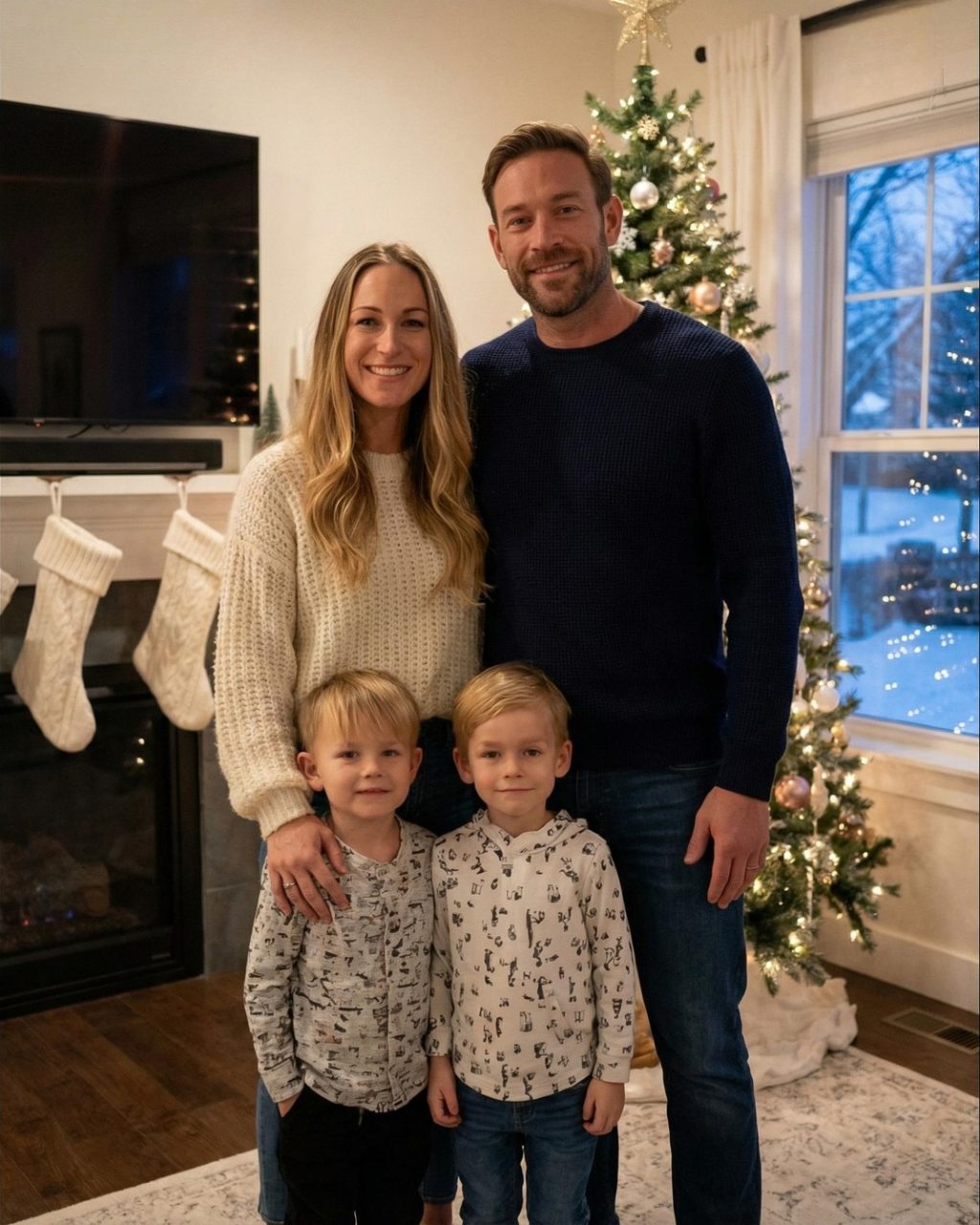
At home, our five-year-old twins kept asking the same question.
“Where’s Mommy?”
I tried everything.
“Mommy’s on a trip.”
“Mommy needed some rest.”
“Mommy will be back soon.”
None of it felt right.
I barely slept. Barely ate. Every sound at night made me sit up, hoping it was her key in the door.
I just waited.
And waited.
On the eighth day, I sat on the edge of our bed, holding that stupid receipt for the hundredth time, tracing her handwriting like it might suddenly explain everything.
Then my phone buzzed.
Jenna’s sister.
My heart slammed against my ribs as I answered.
Her voice was shaking—low, urgent.
“If you want answers,” she said, “you need to promise me something.”
My stomach tightened.
“What?” I asked.
“If you want to know the truth, you must promise me you’ll never tell Jenna what I’m about to say.”
I didn’t hesitate.
“Okay,” I said. “I promise.”
There was a long pause.
Then she whispered, “Listen carefully. Because the truth… isn’t what you think.”
I pressed the phone harder to my ear.
“She didn’t disappear,” her sister said. “She ran.”
My breath caught.
“From what?” I demanded.
“From you.”
The words felt unreal.
“That’s impossible,” I said. “I never hurt her. I loved her.”
“I know,” she replied softly. “And that’s the worst part.”
She told me everything.
Jenna had been living with a secret for years—one she never had the courage to tell me. During her last pregnancy, complications had caused damage to her heart. The doctors warned her: stress could kill her.
But Jenna never slowed down.
Night shifts. Double shifts. Parenting twins. Carrying the weight of everyone else’s needs.
And then—six months ago—she collapsed at work.
She survived. Barely.
That’s when she made a decision she thought was “merciful.”
“She thinks the boys are safer without her,” her sister said through tears. “She believes she’s a ticking time bomb. That one day they’ll watch her die.”
I stood up, pacing.
“So she just left?” I asked. “Without a goodbye?”
“She didn’t trust herself to stay,” her sister said. “If she looked at them… she’d break.”
“Where is she?” I asked.
Another pause.
“She’s in a care facility. Two states away. Under a different name.”
My hands shook.
“Why didn’t you tell me sooner?” I whispered.
“Because she begged me not to,” her sister said. “She made me promise. Just like you did.”
Silence filled the line.
Then she added quietly, “She watches videos of the boys every night.”
I hung up and sat on the floor, my back against the bed, staring at the door she’d walked out of.
That night, I didn’t sleep at all.
The next morning, I packed the boys into the car.
I didn’t know what I was going to say.
I didn’t know what I was going to do.
But I knew one thing.
I wasn’t going to let fear decide our family’s fate.
Two days later, I stood outside a quiet facility surrounded by trees.
My heart pounded as I asked the receptionist for her room.
When I stepped inside, she was sitting by the window, thinner than I remembered. Pale. Fragile.
But still Jenna.
She looked up.
And broke.
“I told you not to look for me,” she sobbed.
I crossed the room and knelt in front of her.
“You don’t get to disappear from people who love you,” I said gently. “Not like that.”
She shook her head.
“I was scared,” she whispered. “I didn’t want them to remember me dying.”
I took her hands.
“Then let them remember you living,” I said.
Three months later, she came home.
Not cured. Not perfect.
But present.
We learned how to live slower. Quieter. Together.
Sometimes love doesn’t leave because it’s weak.
Sometimes it leaves because it’s terrified of hurting the people it loves most.
And sometimes… it just needs someone brave enough to go looking anyway.