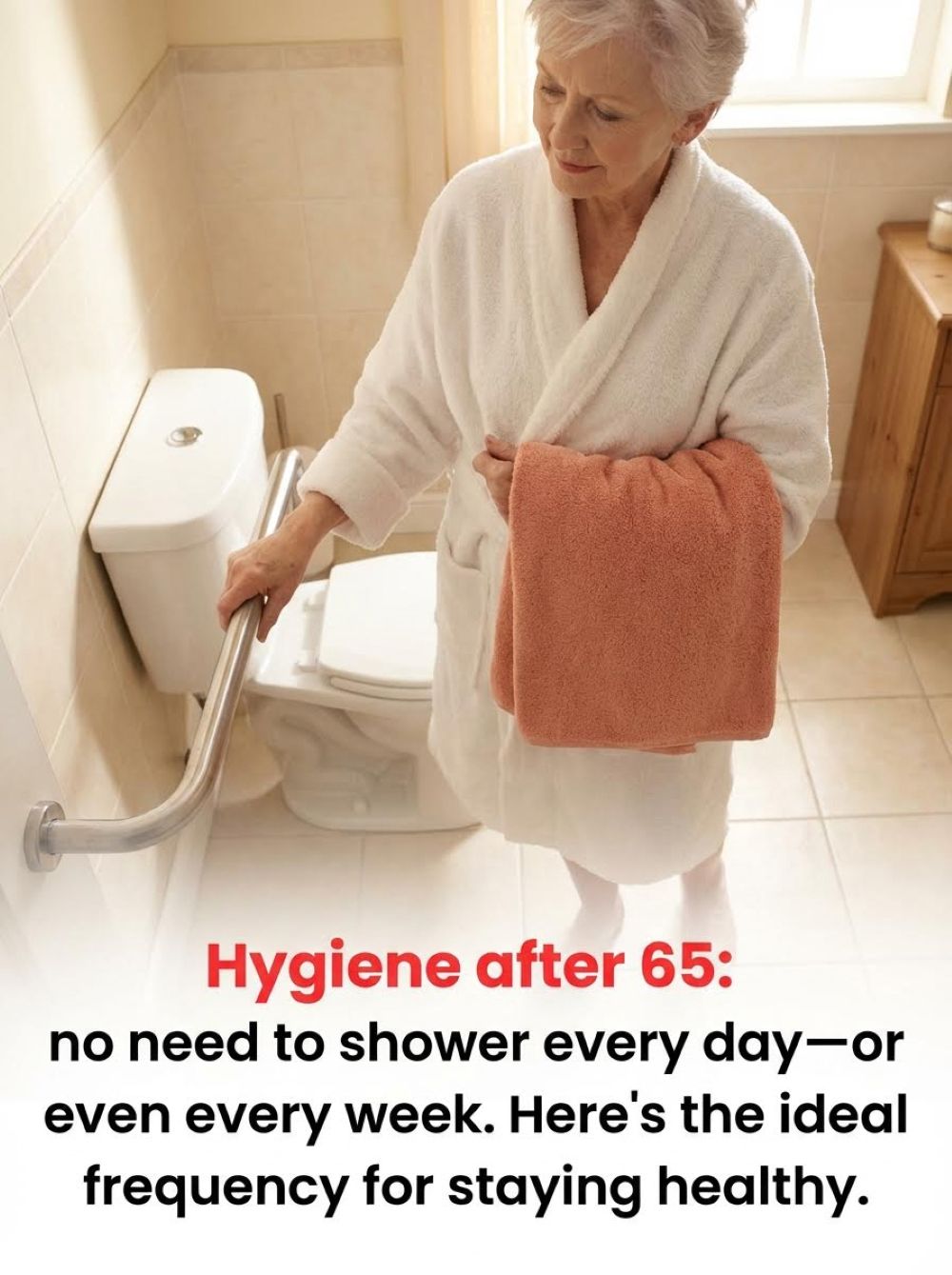
For decades, daily showers have been treated as a gold standard of personal hygiene. But as we age—especially after 65—this habit may be less beneficial than we think. In fact, many dermatologists and geriatric specialists agree: showering every day, or even every week, isn’t always necessary for older adults, and in some cases, it can do more harm than good.
So what’s the ideal frequency for staying clean and healthy after 65? The answer depends on skin health, activity level, and overall wellbeing—but it’s likely less often than you expect.
Why Skin Changes After 65
As we age, our skin undergoes significant changes:
- Thinner skin – The outer layer becomes more fragile and prone to irritation
- Reduced oil production – Natural oils that protect and moisturize the skin decrease
- Slower cell turnover – Skin repairs itself more slowly
- Increased dryness and itching – Especially in winter or dry climates
Daily hot showers strip away what little natural oil remains, leaving older skin vulnerable to dryness, cracking, and infection.
The Problem With Daily Showering
While daily showers may feel refreshing, they can create hidden issues for seniors:
- Excessive dryness and itching
- Worsening eczema or psoriasis
- Higher risk of skin tears
- Increased sensitivity to soaps and fragrances
- Disrupted skin microbiome (the “good bacteria” that protect your skin)
Ironically, over-washing can make skin less healthy over time.
So… How Often Should You Shower After 65?
The Ideal Frequency for Most Seniors:
👉 2 to 3 showers per week
For many people over 65, this frequency is enough to maintain cleanliness while protecting skin health.
You May Need More Frequent Washing If:
- You sweat heavily
- You exercise regularly
- You live in a hot, humid climate
- You have certain medical conditions
You May Need Less If:
- You have very dry or fragile skin
- You experience frequent itching or irritation
- You have limited mobility or balance concerns
In some cases, once a week may be perfectly appropriate—especially when paired with daily “spot cleaning.”
Daily Hygiene Without Daily Showers
Staying clean doesn’t require a full shower every day. Instead, focus on key areas:
- Face
- Hands
- Underarms
- Groin area
- Feet
A warm washcloth, mild soap, or no-rinse cleansing wipes can be just as effective—without drying out the skin.
Water Temperature Matters
Hot water feels soothing, but it’s harsh on aging skin.
Best choice:
- Use lukewarm water
- Keep showers short (5–10 minutes)
This helps preserve moisture and reduces irritation.
Choose the Right Products
Switching products can make a big difference:
- Use gentle, fragrance-free cleansers
- Avoid harsh antibacterial soaps
- Look for labels like “for sensitive skin” or “moisturizing”
After bathing, apply a thick moisturizer within 3 minutes to lock in moisture.
Special Considerations for Seniors
Mobility & Safety
Frequent showers increase the risk of slips and falls. Fewer showers—paired with safe alternatives—can reduce this risk.
Medical Conditions
Conditions like diabetes, poor circulation, or certain skin disorders may require personalized hygiene routines. Always follow medical advice if given.
Clean Doesn’t Mean Means Overwashed
Clean skin is healthy skin—but overwashed skin is not.
After 65, hygiene is about balance, not frequency. Fewer showers, gentler products, and targeted daily cleaning can lead to:
- Healthier skin
- Less itching and irritation
- Better comfort and confidence
The Bottom Line
You don’t need to shower every day—or even every week—to stay clean and healthy after 65.
For most older adults:
- 2–3 showers per week is ideal
- Focus on gentle cleansing and moisturizing
- Listen to your skin—it will tell you what it needs
Sometimes, doing less is the healthiest choice of all.