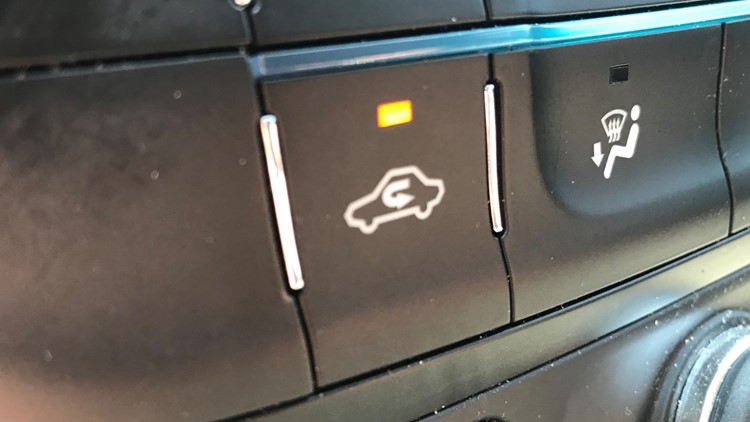
I’ve been driving for decades, and I’ll admit it freely: for years, I pressed this button without really knowing what I was doing.
Sometimes I turned it on because the air felt stronger. Sometimes I turned it off because the windows fogged up. And sometimes I ignored it completely. I assumed, like many drivers do, that it was just another “comfort” feature — not something that actually mattered.
Then a police officer explained it to me during a routine traffic stop.
And I realized how wrong most of us are.
The Button Most Drivers Misunderstand
The button with the little car and the circular arrow inside it is called the air recirculation button. On the surface, it seems simple: it recirculates the air already inside your car instead of pulling air in from outside.
But when you use it — and when you absolutely shouldn’t — makes a big difference. Not just for comfort, but for safety, visibility, and even your health.
According to the officer, this is one of the most misunderstood buttons on the dashboard.
When You SHOULD Use Air Recirculation
There are several situations where this button is not just helpful, but genuinely smart.
1. In heavy traffic or tunnels
If you’re stuck behind buses, trucks, or idling cars, recirculation keeps exhaust fumes from entering your cabin. This is especially important in traffic jams, tunnels, or crowded city streets.
2. In extreme heat
On hot days, turning on recirculation helps your air conditioning cool the car faster. Since the system is cooling already-cooled air, it doesn’t have to work as hard — which means faster relief and less strain on your AC.
3. In polluted or dusty areas
Driving through construction zones, wildfires, or dusty roads? Recirculation helps keep that dirty air outside where it belongs.
When You SHOULD NOT Use It
This is where many drivers go wrong.
1. When your windows start fogging up
Recirculation traps moisture inside the car. If it’s cold or rainy, that moisture builds up quickly — and suddenly your windshield fogs over. This reduces visibility and can become dangerous fast.
2. On long drives in cool or wet weather
Over time, recirculating the same air increases humidity inside the cabin. Fresh air is essential to keep windows clear and the air breathable.
3. When you feel drowsy
Fresh outside air helps keep you alert. Using recirculation too long can make the air feel stale, which may contribute to fatigue on long trips.
Why Police Officers Care About This Button
The officer told me they often see accidents caused by sudden loss of visibility, especially from fogged windshields. Many drivers panic when this happens, not realizing that turning off recirculation and letting fresh air in is the fastest fix.
In other cases, drivers unknowingly trap exhaust fumes inside the vehicle by misusing climate controls in traffic-heavy areas — something that can cause dizziness or headaches without warning.
In short: this little button affects how safe you are more than most people realize.
The Simple Rule to Remember
Here’s the easiest way to think about it:
- Use recirculation for short periods
- Turn it off when visibility drops or moisture builds up
- Let fresh air in on longer drives
You don’t need to obsess over it — just don’t forget it’s there.
Why Most People Were Never Taught This
Driver’s education focuses on rules of the road, not dashboard buttons. And modern cars are packed with symbols that no one explains unless something goes wrong.
So drivers guess. Or copy what someone else does. Or leave it in one position forever.
That’s why this advice sticks: once you understand why the button exists, it suddenly makes sense.
Final Thought
That small button isn’t just about comfort. It’s about visibility, awareness, and staying safe behind the wheel.
I’ve driven differently ever since that officer explained it to me — and now I notice how many drivers still don’t know.
If you’ve ever wondered whether you’re using it correctly, you’re not alone.
But now you know. 🚗💨