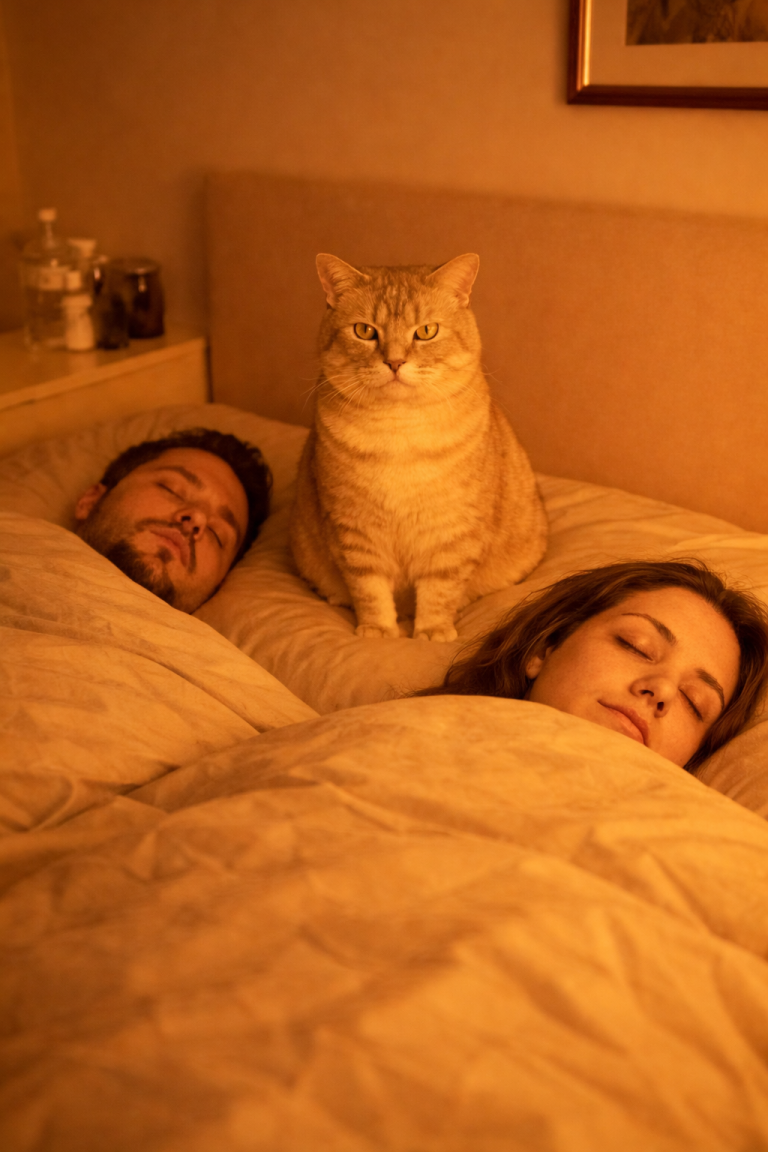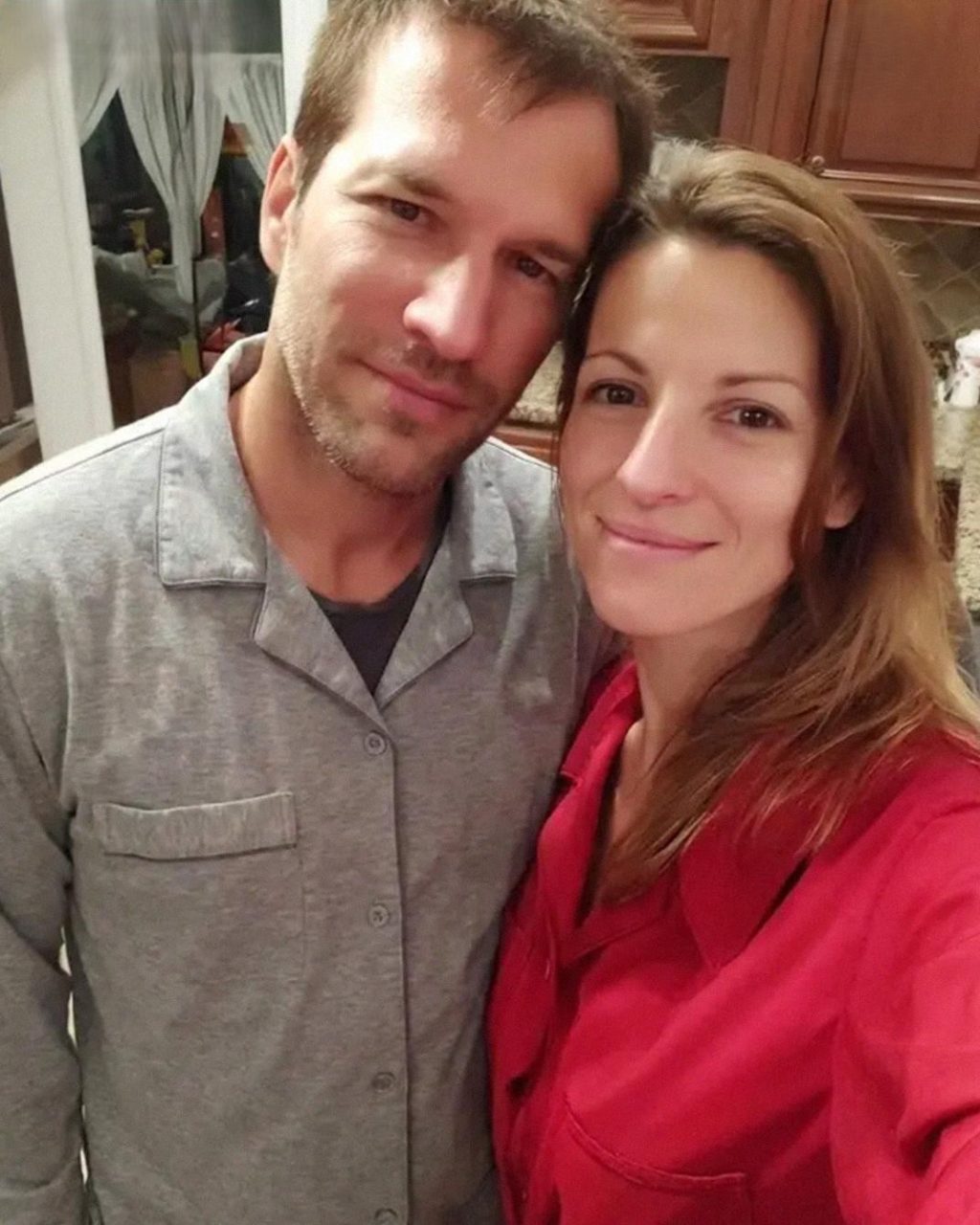
For most of our marriage, Ethan and I slept the way married couples usually do — tangled sheets, shared blankets, and the quiet comfort of falling asleep next to someone you love. It was never something I questioned. It was just… us.
So when he suddenly announced he was moving into the guest room, it felt strange right away.
“Sweetheart, I love you,” he said gently one evening, rubbing the back of his neck, “but your snoring has gotten really loud. I’m just not sleeping well. I need proper rest.”
I laughed at first. I honestly thought he was teasing me.
But he wasn’t.
That night, he carried a pillow down the hall and shut the guest room door behind him. The next night, he did it again. And the night after that.
I was embarrassed, of course. No one likes to be told they snore. Still, I tried to fix it. I bought nasal strips. Drank herbal teas before bed. Even slept propped up on extra pillows like some kind of awkward mummy.
Nothing changed — at least not for Ethan.
Every morning, he’d reassure me with the same calm tone.
“Don’t stress about it. It happens. I just need good sleep for my health.”
At first, I accepted that explanation.
Then things started getting… odd.
He began locking the guest room door at night. At first, I told myself it was probably habit. Or maybe he wanted quiet. But then I noticed more of his things disappearing from our bedroom — his laptop, his phone charger, a few shirts, even a pair of slippers.
He wasn’t just sleeping there anymore.
It felt like he was moving in.
I started lying awake at night, staring at the ceiling, listening to the silence. No door opening. No footsteps. No sounds from down the hall. Just that locked door between us.
The doubt crept in slowly, like a chill you don’t notice until you’re already cold.
Was my snoring really that bad? Or was something else going on?
Eventually, concern turned into fear — not of Ethan, but of myself. What if I had sleep apnea or something worse? What if I was ruining my own health and marriage without realizing it?
So I made a doctor’s appointment.
To help explain my symptoms, I decided to record myself sleeping. I placed a small voice recorder beside the bed, turned it on, and went to sleep.
The next morning, I sat at the kitchen table with a cup of coffee and pressed play.
Nothing.
No gasping. No snoring. Not even heavy breathing.
Just silence.
I replayed it three times, my hands starting to shake.
There was no way Ethan could have been telling the truth.
So why lie?
That question gnawed at me all day. By evening, my stomach was in knots. I kept replaying every odd moment from the past few weeks — his sudden distance, the locked door, the way he avoided my eyes when I asked if everything was okay.
And then I remembered something important.
We had spare keys. Old ones, from when we first moved in. Ethan had forgotten about them years ago.
I didn’t want to use them.
But I needed answers.
That night, I waited until the house was quiet. I checked the clock — 2:00 a.m. My heart was pounding so hard I was sure it would give me away.
I stepped into the hallway. A thin strip of light spilled from beneath the guest room door, but there was no sound at all. No TV. No typing. Nothing.
I slid the spare key into the lock.
Click.
I turned the handle and pushed the door open.
“What the hell is going on in here?!” I screamed.
Ethan spun around so fast his chair nearly tipped over.
But it wasn’t another woman I saw.
It wasn’t anything I’d imagined during my worst late-night spirals.
The guest room had been transformed.
The bed was gone. In its place were whiteboards covered in scribbles, stacks of notebooks, printed diagrams taped to the walls, and a half-built wooden crib leaning against the far corner. There were fabric samples on the floor. A laptop open to what looked like budgeting spreadsheets and baby supply lists.
And sitting in the middle of it all… was Ethan.
He stared at me like a kid caught sneaking cookies before dinner.
“I… I was going to tell you,” he said quietly.
I couldn’t speak. My mouth opened, but no words came out.
Finally, I whispered, “Tell me what?”
He ran a hand through his hair and let out a long breath.
“I’ve been working on something,” he said. “Something for us.”
He stood up and walked me into the room, pointing to everything around him.
The crib. The plans. The notes.
“I found out a few months ago that my company is downsizing,” he admitted. “I was scared. I didn’t want to worry you. So I started planning a backup — starting a small custom furniture business from home.”
I stared at the crib again.
“And the snoring?” I asked.
His shoulders slumped.
“I lied,” he said softly. “I needed uninterrupted nights to work. And I thought if I told you the truth, you’d feel pressured or stressed. I wanted this to be a surprise… something solid before I told you.”
Tears welled in my eyes — not from anger, but from the release of weeks of fear.
“You locked the door,” I said quietly.
“I know,” he replied. “That part was wrong. I didn’t want you to see half-finished things and worry.”
I sank onto a chair, my knees weak.
“I thought you were leaving me,” I said. “Or hiding something horrible.”
He crossed the room and knelt in front of me, his eyes glassy.
“I was trying to protect you,” he said. “But I ended up hurting you instead.”
We sat there for a long time, surrounded by plans and sawdust and misunderstandings.
That night, Ethan moved back into our bedroom.
Not because my snoring magically stopped — but because we finally started talking again.
I learned something important from all of this: secrets don’t protect relationships. Honesty does. Even when it’s messy. Even when it’s scary.
And sometimes, what looks like distance is really just someone trying — clumsily, imperfectly — to build something for the future.
But next time?
I told him.
“No locked doors.”