Most of us toss our laundry into the washing machine, pour in some detergent, press a button, and assume the machine will take care of the rest. When clothes come out dull, stiff, or not quite fresh, we usually blame the detergent brand, hard water, or the machine itself.
But here’s the uncomfortable truth: a lot of laundry problems start right at the detergent drawer.
That little plastic compartment you’ve probably never thought twice about? It’s one of the most misunderstood parts of a washing machine — and it’s where many people unknowingly sabotage their own laundry.
Let’s break down the most common mistakes and what those numbered compartments are actually for.
Mistake #1: Using the Wrong Compartment for Detergent
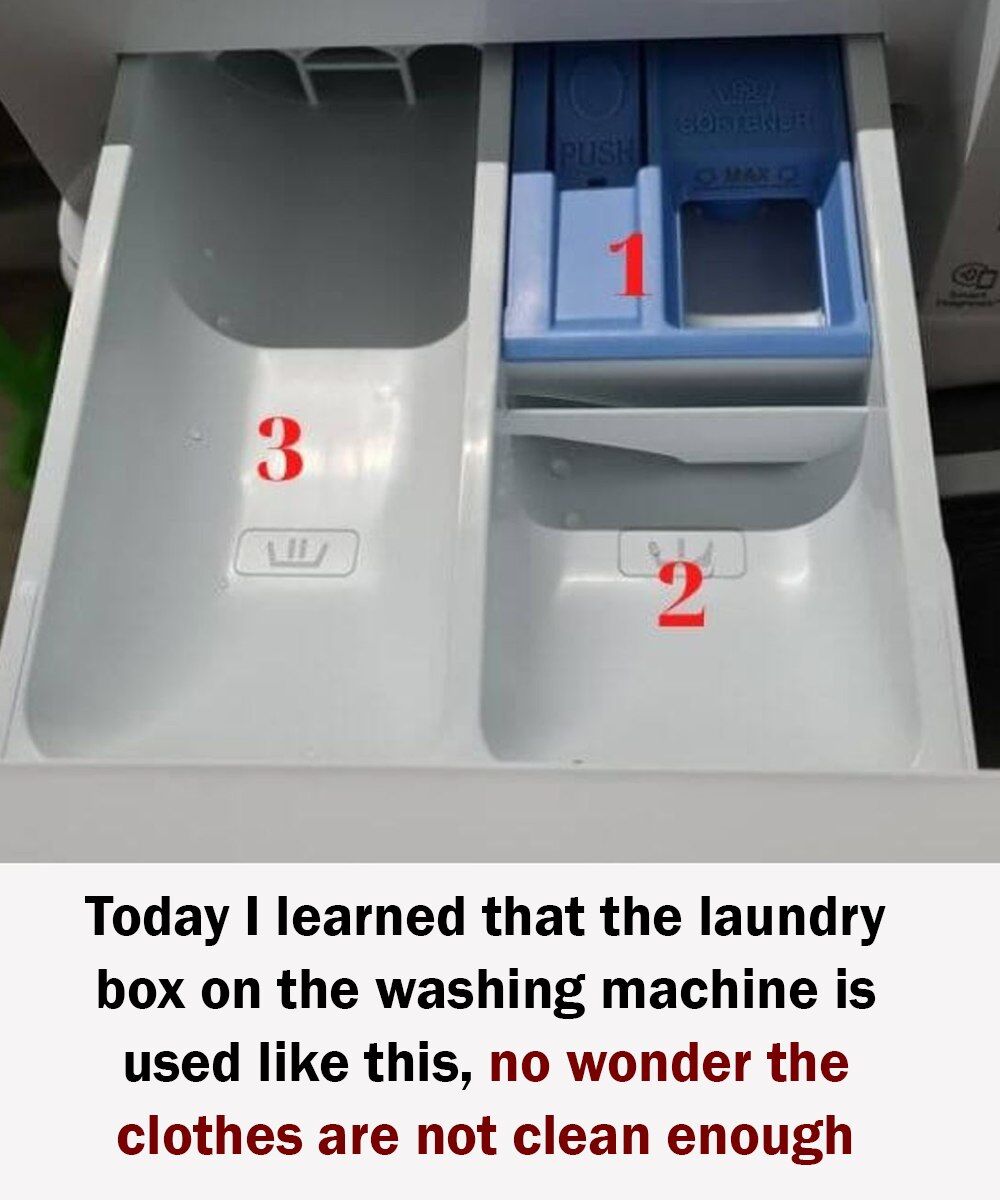
Most washing machine drawers have three sections, usually marked with symbols or numbers:
- Compartment 1 (often marked “I”) – Pre-wash detergent
- Compartment 2 (often marked “II”) – Main wash detergent
- Compartment 3 (flower symbol) – Fabric softener
One of the biggest mistakes people make is putting detergent into the pre-wash compartment when they’re not using a pre-wash cycle.
What happens then?
The detergent gets flushed out early — before the real wash even begins. By the time the drum starts doing the actual cleaning, there’s little to no detergent left.
Result: clothes that look washed… but don’t feel or smell clean.
If you’re running a normal wash, detergent almost always belongs in compartment II.
Mistake #2: Pouring Fabric Softener Wherever There’s Space
Fabric softener has its own compartment for a reason. It’s designed to release during the rinse cycle, not at the start.
When people pour softener into the detergent section, it gets washed away too early — or worse, it coats clothes before detergent has done its job. That coating can trap odors and residue in fabric fibers, making towels less absorbent and clothes smell stale over time.
If you’ve ever wondered why your “freshly washed” clothes smell fine at first but weird a few hours later — this is often why.
Mistake #3: Overfilling the Drawer
More detergent does not mean cleaner clothes.
Overfilling causes detergent to:
- Not fully dissolve
- Build up inside the machine
- Leave residue on clothes
- Create that musty, sour smell over time
Most detergent caps already measure more than you need — especially for modern machines. When the drawer floods with excess soap, the rinse cycle can’t fully remove it.
Ironically, too much detergent makes clothes dirtier in the long run.
Mistake #4: Ignoring Drawer Cleaning Altogether
Here’s one most people never think about: detergent drawers get disgusting.
Leftover soap, fabric softener, and moisture create the perfect environment for mold and bacteria. Over time, that buildup gets flushed directly onto your clothes.
If your laundry smells bad no matter what detergent you use, pull the drawer all the way out and take a look. If you see slime, black spots, or hardened residue — that’s been washing through every load.
A simple fix:
- Remove the drawer once a month
- Rinse it under hot water
- Scrub with an old toothbrush if needed
- Let it dry completely before putting it back
Mistake #5: Using Liquid Detergent When the Machine Isn’t Designed for It
Some machines are optimized for powder detergent. Others handle liquids just fine — but only in the correct compartment.
Liquid detergent poured into the wrong section can:
- Leak too early
- Stick to internal channels
- Cause uneven distribution during the wash
Always check the drawer markings or your machine’s manual. If there’s a removable insert for liquid detergent, it’s there for a reason.
Mistake #6: Assuming All Machines Work the Same
Not all detergent drawers are designed identically. European models, high-efficiency machines, and older washers can all have different layouts.
Many people rely on habit — doing laundry the same way they did in their last apartment or childhood home — without realizing the new machine works differently.
That small change can make a huge difference in how clean your clothes actually get.
The Bottom Line
If your clothes don’t smell fresh, feel stiff, or seem “not quite clean,” the problem may not be the detergent at all. It’s often where — and how — you’re using it.
Understanding those little compartments can instantly improve your laundry results, save detergent, protect your machine, and finally give you clothes that feel as clean as they should.
Sometimes, the fix isn’t buying something new — it’s just using what you already have the right way.