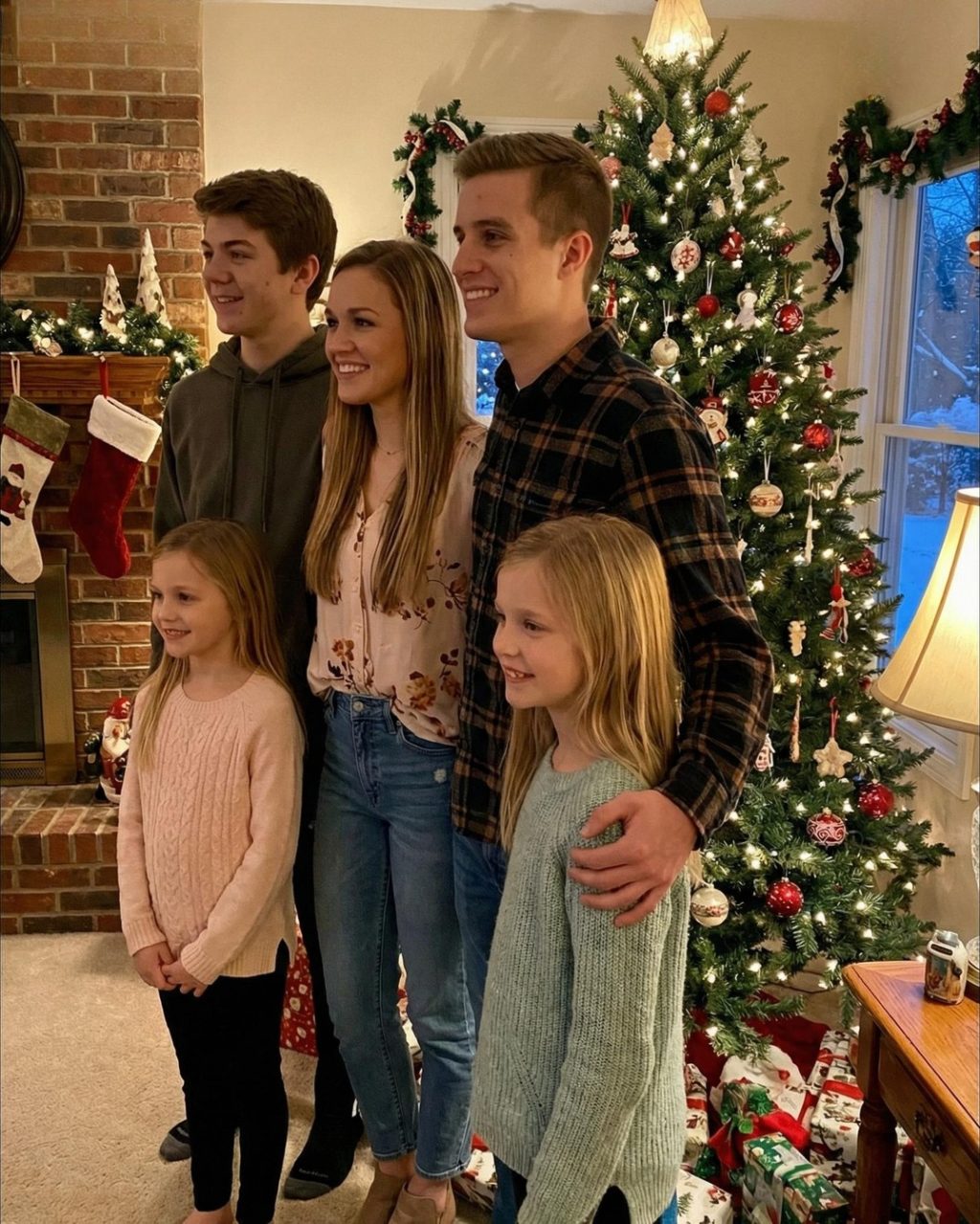
There were five of us growing up, and my twin brother Daniel and I were the oldest.
We were eighteen when our mother was diagnosed with cancer.
Three days later, our father left.
He didn’t pack much. Just a bag and a handful of excuses. He said he “wasn’t built” for sickness and hospitals. Said he’d met someone else—someone who brought him joy, not fear or responsibility.
And just like that, our mother was left facing cancer with five children and no partner.
She tried to stay strong for us. I still remember her sitting at the kitchen table late at night, sorting pills into little plastic boxes while pretending she wasn’t exhausted. Daniel and I learned quickly how to cook, clean, and keep the younger kids distracted so they wouldn’t notice how thin she was getting.
Less than a year later, she was gone.
I remember holding her hand in the hospital room, promising her—through tears I didn’t even try to hide—that Daniel and I would take care of the others. That we wouldn’t let them fall apart.
And we didn’t.
At eighteen, Daniel and I became legal guardians to Liam, who was nine, Maya, seven, and Sophie, just five years old. Overnight, we went from teenagers with plans to adults with responsibilities we’d never asked for.
We weren’t ready. But there was no one else.
We worked part-time jobs while going to school full-time. We learned how to stretch a paycheck, how to argue with utility companies, how to calm nightmares and pack lunches and sign permission slips. Some nights we cried quietly in our shared bedroom so the kids wouldn’t hear.
Years passed.
Slowly, painfully, we built a life. Daniel finished his degree and found steady work. I did the same. The kids grew older, happier, more secure. The house filled again with laughter instead of grief.
For the first time since our mother died, life felt… stable.
We truly believed the worst was behind us.
Then one Saturday morning, a loud knock echoed through the house.
I opened the door.
And my stomach dropped.
It was our father.
He looked older, softer around the edges, like time had dulled his sharpness. He smiled awkwardly, stepping inside as if he belonged there. His eyes scanned the walls, the furniture, the photos of birthdays and graduations he hadn’t been part of.
“Well,” he said lightly, “you’ve done a great job. I’ll give you that.”
Daniel appeared beside me, his jaw clenched.
Then our father’s smile widened.
“I’ll be honest,” he said. “You all need to move out. This house belonged to your mother and me. Since she passed, it’s mine now. And my girlfriend and I are planning to live here.”
The room went silent.
I felt something burn in my chest—hot, sharp, uncontrollable. After abandoning us. After leaving us to bury our mother and raise three children alone. He wanted the house.
The only place that had ever felt safe again.
Slamming the door in his face crossed my mind.
But I didn’t.
Instead, I smiled.
“Of course, Dad,” I said calmly. “You’re right. Come back tomorrow at two. I’ll have all the paperwork ready.”
His eyes lit up. He nodded, rubbing his hands together, already picturing himself back in control.
He left convinced he’d won.
What he didn’t know was that Daniel and I had spent years preparing for this exact moment.
That afternoon, we gathered everything—bank records, court documents, legal correspondence. We’d been careful. After our mother died, a lawyer had advised us to secure guardianship properly. The house, it turned out, wasn’t as simple as our father believed.
Our mother had changed her will during her illness.
The house wasn’t his.
It had been placed in a trust—for the children.
The next day, he returned right on time.
He stepped into the living room, confident and smug.
I handed him the folder.
He skimmed the first page. Then the second. His smile faded.
By the time he reached the final document, his hands were shaking.
“What is this?” he snapped.
“This,” Daniel said evenly, “is proof that the house belongs to all five of us. Mom made sure of it.”
He tried to argue. To threaten. To raise his voice.
But the law was clear.
He left furious, empty-handed, and humiliated.
We never heard from him again.
That night, the five of us sat in the living room. Liam leaned against Daniel. Maya and Sophie curled up beside me. The house felt warm. Safe.
Just like Mom wanted.
We didn’t set out to teach our father a lesson.
We just refused to let him take anything else from us.
And in doing so, we finally realized something powerful:
Family isn’t who walks away when things get hard.
It’s who stays—and builds something better out of what’s left.