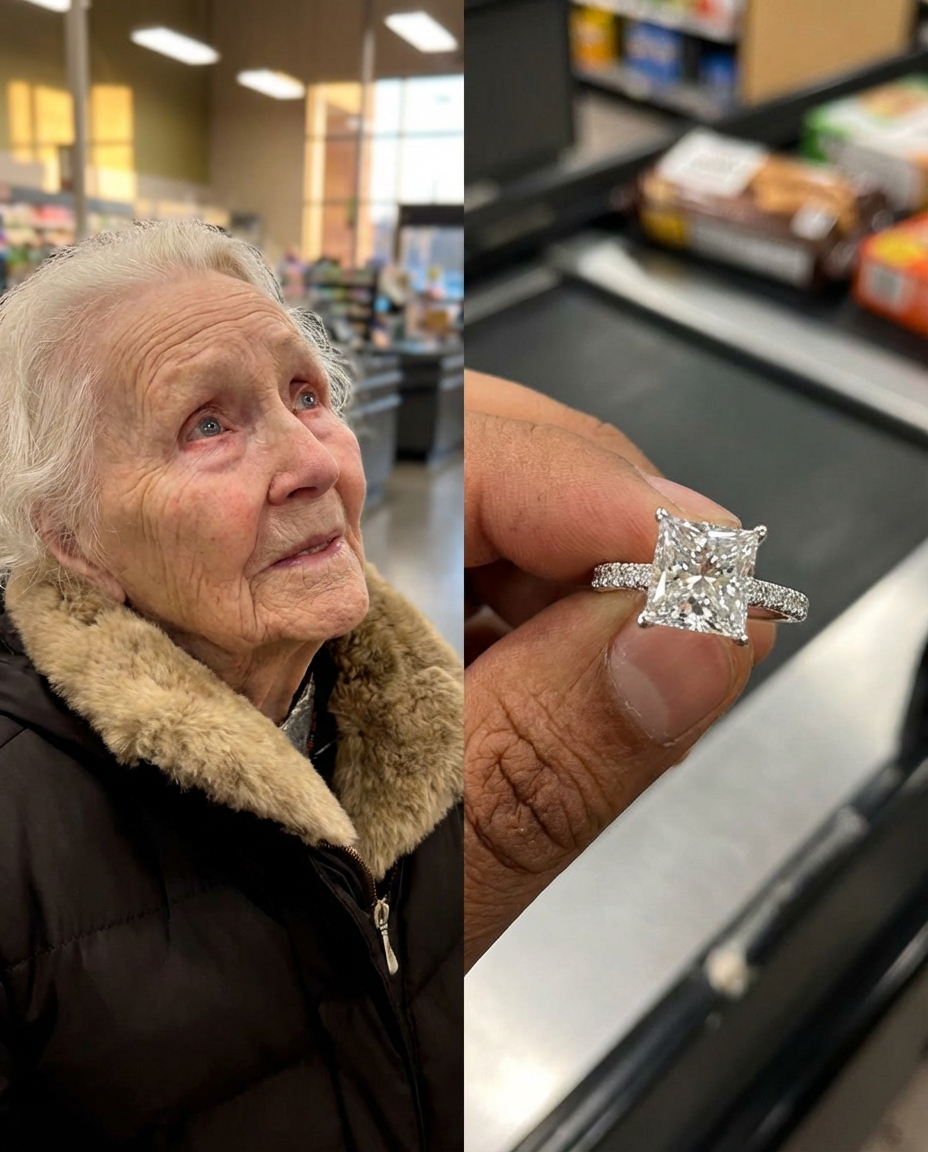
I never expected a diamond ring sitting on a supermarket shelf to change the course of my life.
At that point, my world had narrowed to very simple goals: get through the day, keep the kids fed, make sure no one felt the ache of what we’d lost more than they already did.
I’m a widower raising four children on my own. Two years ago, after our youngest, Grace, was born, my wife started feeling unwell. At first, we thought it was exhaustion—newborns have a way of draining every last ounce of you. But the tests came back with a word that rearranges lives in an instant: cancer.
She fought for a year. A hard year. Hospital rooms, whispered conversations after the kids were asleep, hope rising and crashing in cycles that never quite prepared us for the end. When she passed, it felt like the air had been pulled from our house. Silence settled into corners where laughter used to live.
Since then, I’ve been doing everything I can to keep us afloat.
I work full time at a warehouse—long hours, physical labor. I take extra shifts whenever they’re offered. Weekends aren’t really weekends anymore. They’re just more time to work. I don’t complain. I can’t afford to. Four kids depend on me, and every dollar matters.
One afternoon, I loaded all four kids into the car and headed to the supermarket. It wasn’t a special trip—just one of those routine runs where you try to stick to a list while navigating tantrums, spilled snacks, and endless questions.
While picking out apples, I noticed something glinting under the fluorescent lights.
At first, I thought it was a piece of foil or a bit of broken packaging. But when I leaned closer, my heart skipped.
It was a diamond ring.
Not costume jewelry. Not plastic. A real ring—heavy, elegant, unmistakably valuable—sitting quietly on a shelf between bags of produce.
I instinctively looked around, expecting someone to rush back, frantic, searching the floor. But no one seemed to notice. Shoppers passed by, carts squeaking, children whining, life moving on.
I picked it up and stood off to the side, telling my kids to stay close. Maybe the owner would come back. People don’t usually give up looking for something like that.
Ten minutes passed.
Then I saw her.
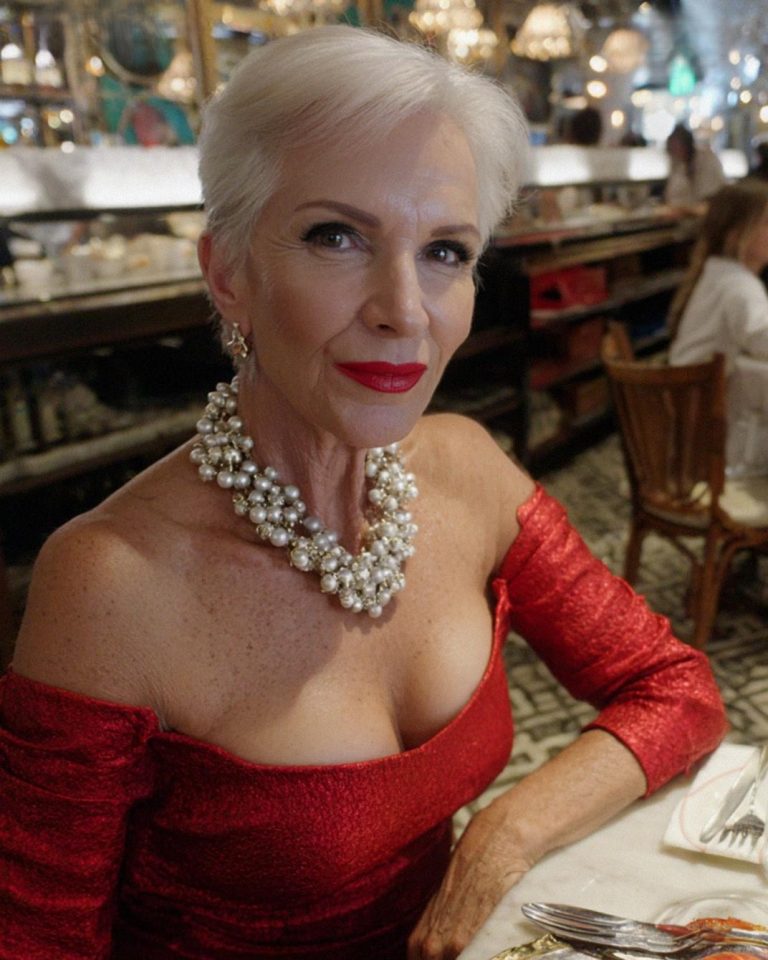
An elderly woman hurried into the store, eyes wide with panic, her breath uneven. She clutched her purse like a lifeline and began scanning shelves, stopping strangers, asking questions in a trembling voice.
“Have you seen a ring? A diamond ring?”
I watched her for a moment, my chest tightening. When she approached me, I asked her to describe it—just to be sure.
She described every detail perfectly.
I placed the ring in her hand.
She stared at it for a second, as if afraid it might disappear again. Then she broke down, tears streaming freely.
“You have no idea what this means to me,” she said, her voice shaking. “My husband gave me that ring for our fiftieth anniversary. He passed away shortly after. It’s all I have left of him.”
I didn’t know what to say. I just nodded and smiled, the way you do when words feel inadequate.
“I’m glad I could help,” I told her.
She tried to press money into my hand. I refused. I couldn’t imagine taking anything from her—not after seeing how tightly she held that ring, like it was holding her together.
I finished shopping, paid for the groceries with my last fifty dollars, wrangled the kids back into the car, and drove home.
That night, after dinner and baths and bedtime stories, I sat alone at the kitchen table. The house was quiet, and for the first time that day, I let myself breathe.
I didn’t think about the ring again.
Until the next morning.
There was a loud knock at the door—firm, deliberate, nothing like the neighborly taps I was used to. My stomach tightened as I opened it.
A man stood on my porch, dressed in a black coat, his hair neatly combed, posture stiff and formal. He looked out of place in our modest neighborhood.
He took a slow breath and said, “I know you found a diamond ring yesterday. I’m here on behalf of its owner. Something has happened. I had to find you.”
For a split second, my mind raced through worst-case scenarios. Had I done something wrong? Was this a legal issue?
He noticed my expression and softened slightly.
“May I come in?” he asked.
Inside, he explained that he was the elderly woman’s grandson. She’d told her family what had happened at the store—how a stranger had returned something priceless without hesitation.
“She passed away last night,” he said quietly.
The words hit harder than I expected.
“She had a heart condition,” he continued. “The doctors think the stress of losing the ring triggered something. But… before she went, she made us promise to find you.”
He reached into his coat and pulled out a small box.
“She wanted you to have this.”
I shook my head immediately. “I can’t take it. That ring belonged to her husband.”
He smiled gently. “She knew you’d say that. The ring is staying in the family. But this—this is from her.”
Inside the box was a check.
Enough to change everything.
Enough to pay off my debts. Enough to give my kids stability I’d been fighting for every day. Enough to breathe again.
“She said you reminded her of her husband,” he added. “She said kindness like yours deserves to be met with kindness.”
After he left, I sat on the couch and cried—for my wife, for that woman, for the strange, fragile way lives intersect.
I didn’t find a ring that day.
I found proof that doing the right thing—especially when no one is watching—can echo farther than you ever imagine.
And sometimes, in the middle of grief and exhaustion and ordinary days, life quietly gives something back.