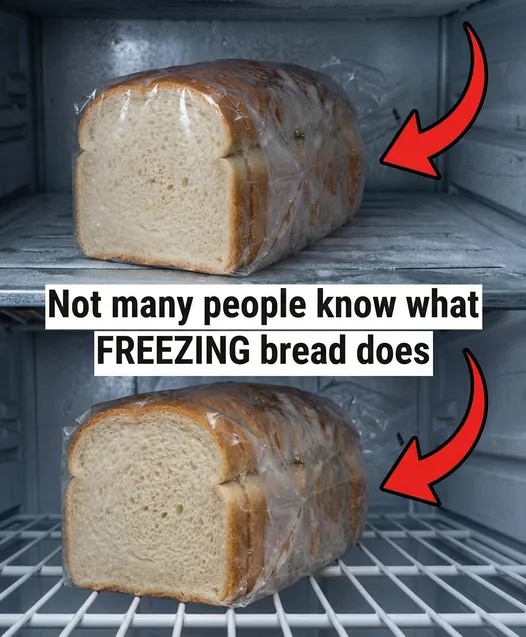
Freezing bread might seem like a simple way to make it last longer, but there’s actually a lot going on behind the scenes once that loaf hits subzero temperatures. From texture changes to flavor preservation, the freezer can be either bread’s best friend or its worst enemy—depending on how you use it.
The Moment Bread Freezes
When bread goes into the freezer, the water inside it begins to form ice crystals. This process slows down the staling that normally happens at room temperature. Staling isn’t just bread “getting old”—it’s a chemical change where starch molecules rearrange and push moisture out, leaving bread dry and hard. Freezing puts this process on pause.
Does Freezing Ruin the Texture?
Not necessarily. If bread is frozen properly, its texture can stay surprisingly close to fresh. The key is speed and protection. Bread that freezes quickly and is tightly wrapped develops smaller ice crystals, which cause less damage to the crumb (the soft interior). Poorly wrapped bread, on the other hand, can dry out or become chewy once thawed.
What About Taste?
Good news: freezing doesn’t destroy bread’s flavor. In fact, many people can’t tell the difference between fresh bread and bread that’s been frozen and thawed correctly. However, bread left uncovered in the freezer can absorb odors from other foods, which can affect taste. That’s why airtight packaging matters.
Mold Stops in Its Tracks
One major benefit of freezing bread is that it prevents mold growth. Mold thrives in warm, moist environments—conditions the freezer completely eliminates. While freezing doesn’t kill existing mold, it does stop it from spreading, which is why only fresh bread should ever go into the freezer.
Toasting Changes Everything
Here’s a bonus most people don’t realize: frozen bread toasts beautifully. Toasting drives off excess moisture and restores crispness, making frozen slices perfect for quick breakfasts. Many people even prefer toast made from frozen bread because it browns more evenly.
How Long Can Bread Stay Frozen?
Most breads keep their quality for about two to three months in the freezer. After that, they’re still safe to eat, but texture and flavor may slowly decline. Whole loaves last longer when frozen intact, while slices offer more convenience for everyday use.
The Best Way to Freeze Bread
To get the best results:
- Freeze bread while it’s still fresh
- Wrap it tightly in plastic wrap or freezer bags
- Slice it before freezing for easy use
- Label it with the date
The Bottom Line
Putting bread in the freezer doesn’t ruin it—in fact, it preserves it. When done right, freezing locks in freshness, prevents mold, and gives you flexible, ready-to-use bread whenever you need it. That humble loaf comes out of the freezer far better than most people expect.