My mom died suddenly.
There was no long illness. No warning. Just one phone call in the middle of the night—and our lives split cleanly into before and after.
My dad fell apart. He stopped eating real meals. Stopped shaving. Some days he barely spoke. The only place he seemed to find any comfort was church. He went every Sunday. Then Wednesdays. Then Thursdays too. Sitting in the back, staring at nothing, holding his grief like a weight he didn’t know how to set down.
That’s when Lori appeared.
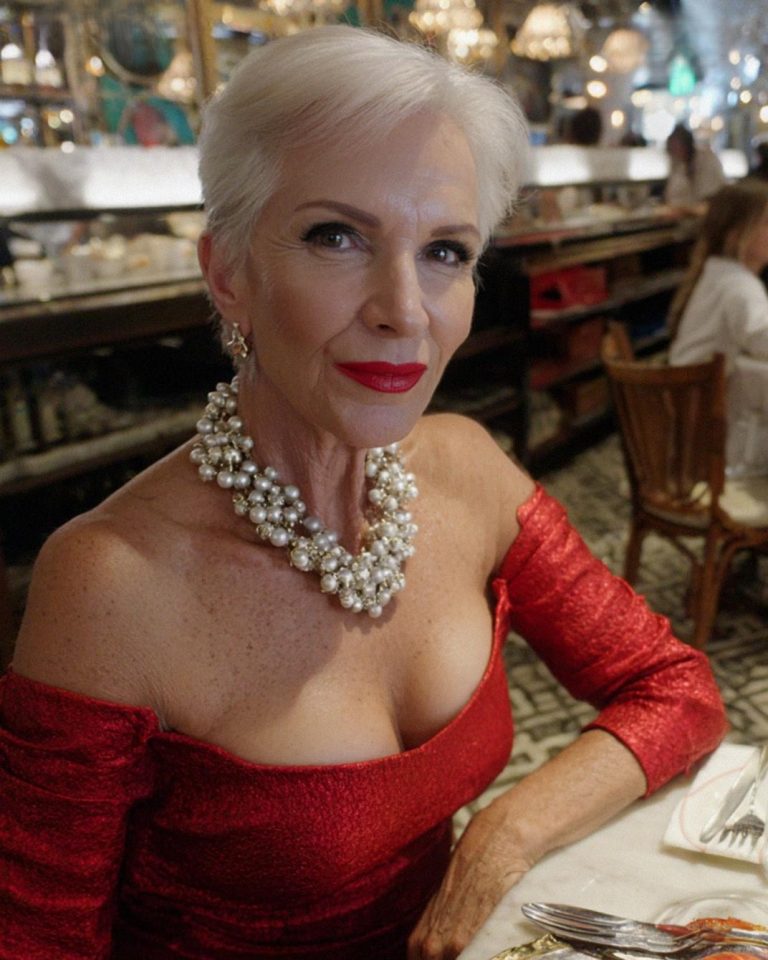
She was a volunteer at the church. Ran the grief support group. Soft voice. Warm smile. Always carried tissues in her purse “just in case.” She had that practiced kindness that makes people trust you instantly.
She sat next to my dad every Thursday night. Prayed with him. Listened while he talked about my mom. Told him things like, “God brings people together for a reason,” and “You’re not meant to walk this path alone.”
Six months later, she was wearing my dad’s last name.
Everyone said the same thing: At least he’s not alone.
No one asked how quickly comfort had turned into control.
From the very beginning, Lori seemed to hate anything that reminded her my mom had existed.
Photos vanished from the walls. My mom’s sweaters were “accidentally” donated. Her cookbooks disappeared one by one. When I asked where things went, Lori smiled tightly and said, “We’re moving forward now.”
Then there was the china.
It was a vintage set my great-grandmother had brought over from Europe. Delicate, hand-painted, irreplaceable. My mom treasured it. Lori called it “old junk” and said it didn’t fit her idea of a “modern home.”
But the real fight was about the ring.
My mom’s engagement ring was never meant for Lori. It wasn’t even a question. My mom had told me years ago—quietly, with certainty—that it would be mine someday.
When Lori found out, her smile didn’t fade. But her eyes hardened in a way that made my stomach twist.
“I deserve it now,” she said calmly. “I’m his wife.”
I told her no.
That’s when she snapped.
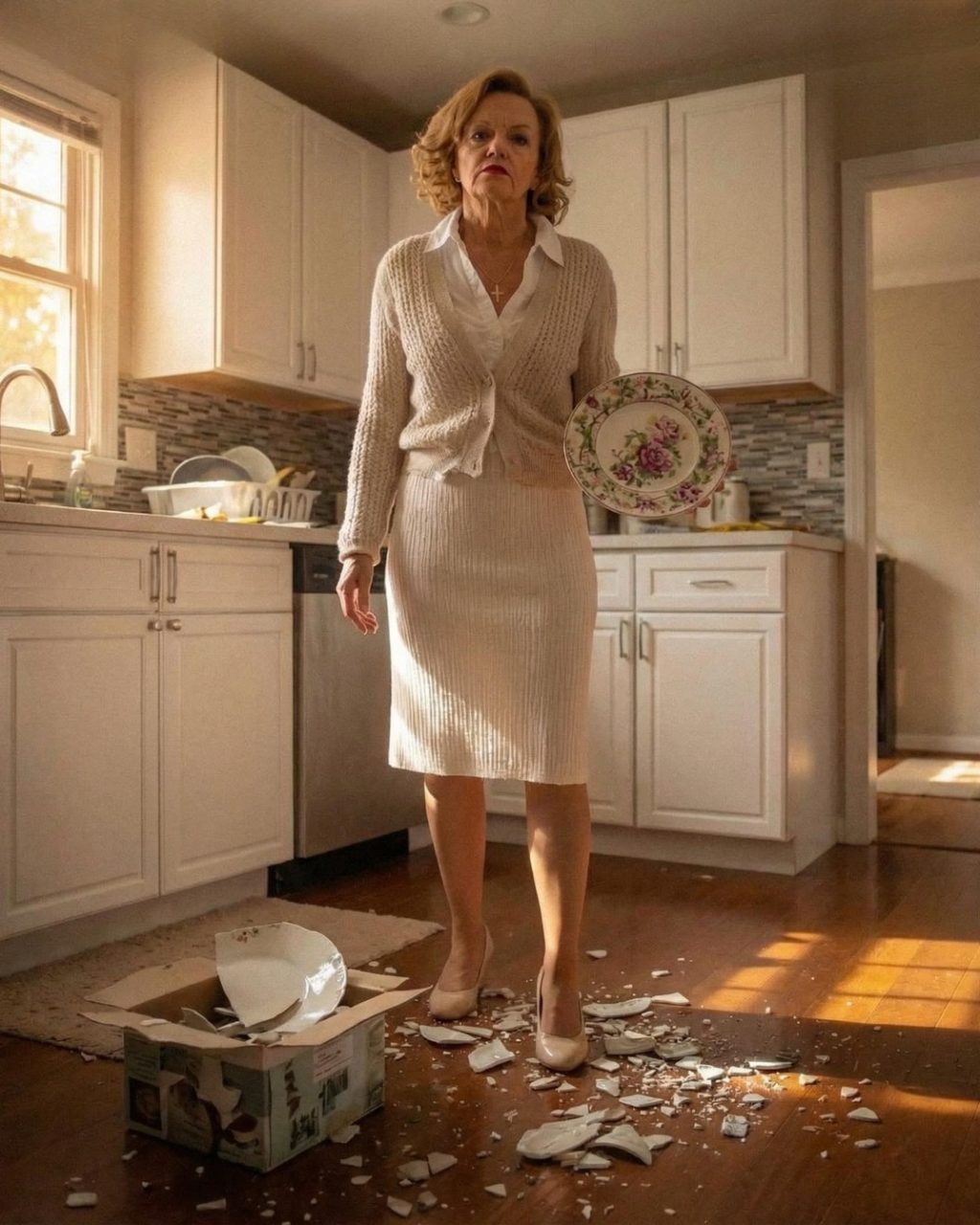
She stormed into the kitchen and came back holding the box of my mom’s china like it weighed nothing. She lifted it up, her hands steady, her face furious.
“You give me the ring,” she said, her voice shaking with rage, “or this goes into the wall.”
I laughed nervously. I honestly thought she was bluffing.
She started counting.
“Three.”
My smile vanished.
“Two.”
My heart was pounding so hard I felt dizzy.
“One—”
The plate exploded against the wall.
Porcelain shattered across the floor like gunfire. I screamed. She didn’t flinch.
She picked up another plate, looked at me, and smiled.
“You have one more chance.”
I whispered, “Please. Stop.”
She raised the plate higher.
“Ring,” she said. “Or this one breaks too.”
And that’s when something clicked.
I didn’t scream. I didn’t beg. I didn’t run.
Because in that moment, I realized Lori thought she had all the power.
She had no idea what I already had.
Behind my back, my fingers were wrapped tightly around my phone—recording everything.
I let her smash one more plate.
Then another.
I waited until her voice rose, until her threats were clear, until there was no way she could explain it away as an “accident.”
Then I walked past her, out the door, and straight to my aunt’s house.
That night, I sent the recording to my dad.
He didn’t call me right away.
The next morning, he did.
He sounded different. Clearer. Like someone waking up from a long, bad dream.
Lori was gone when I returned home. So was her suitcase. So were her things.
The ring stayed with me.
The remaining china was packed carefully and moved somewhere safe.
A month later, my dad filed for divorce.
People asked what happened. I didn’t explain. I didn’t need to.
Lori lost everything she tried to steal.
And I learned something I’ll never forget:
Grief makes you vulnerable—but it also reveals who people really are.
And sometimes, the quietest moment is the one where power finally changes hands.