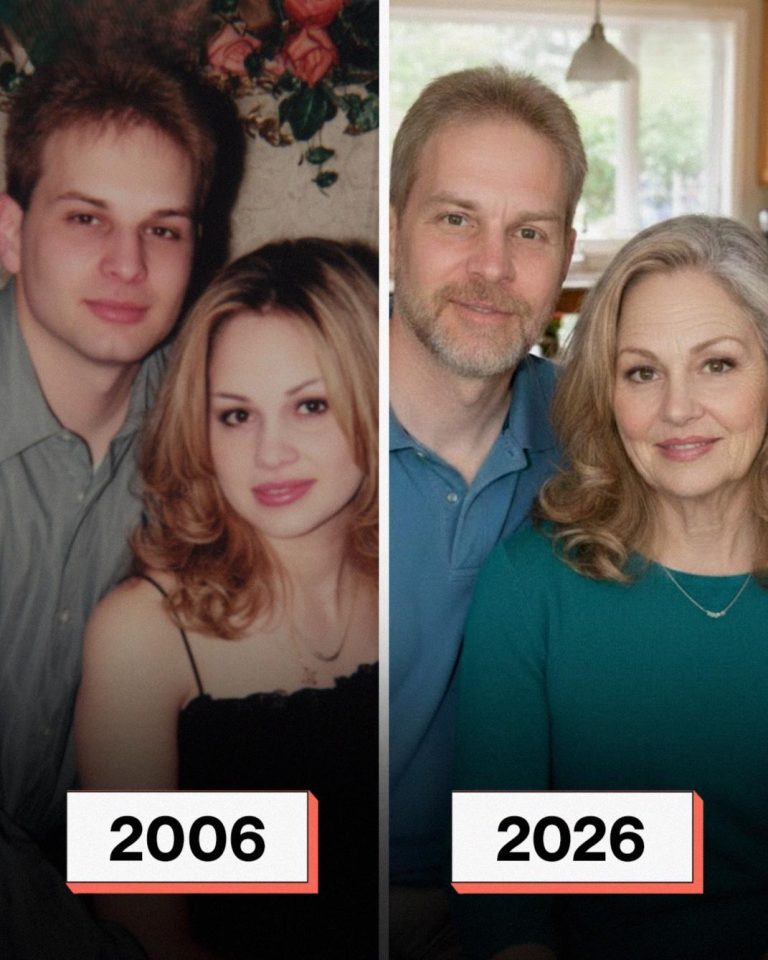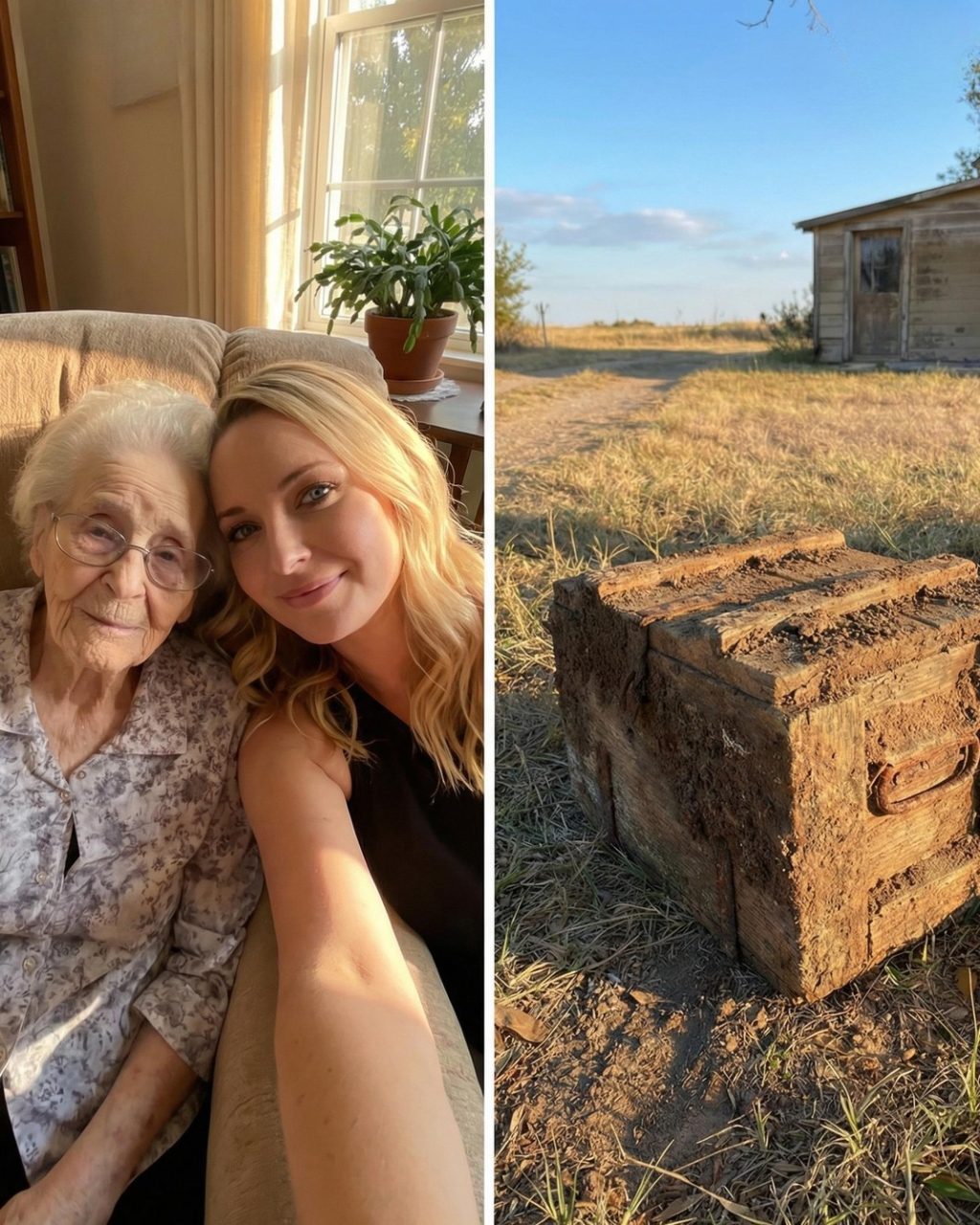
I’ve been married to my husband, Caleb, for just over five years. Not long enough to feel old, but long enough to feel settled. Comfortable. Certain about the life we were building together.
Caleb lost his parents when he was very young. He rarely talked about it, only in brief, careful sentences. The one constant in all his stories was his grandmother, Eleanor. She raised him from the time he was a toddler. She worked extra shifts, pinched pennies, and somehow managed to give him a childhood filled with stability and love.
To Caleb, she wasn’t just family. She was home.
And over time, she became that for me too.
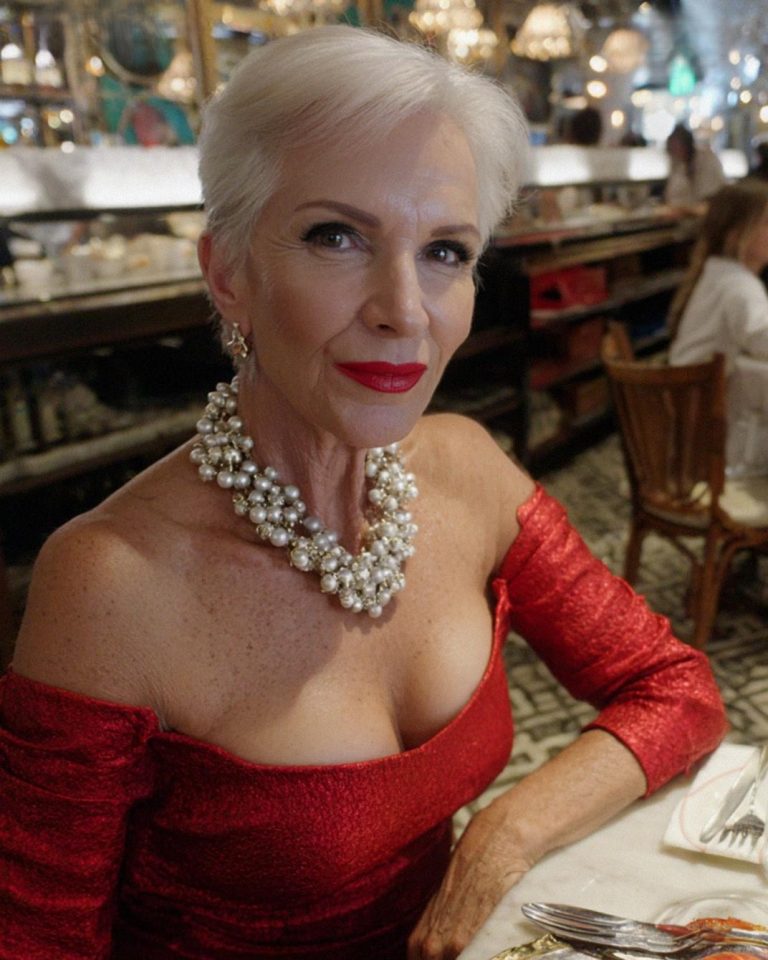
Eleanor welcomed me from the very beginning. She taught me how to make her apple pie, corrected my knitting with gentle patience, and always reached for my hand during long conversations. Loving her felt easy. Natural. Like she’d been waiting for someone else to take care of Caleb long before I ever came along.
So when her health began to decline, there was no question about what we would do.
We moved into her old house to take care of her.
The place was exactly what you’d expect from a woman who had lived there for decades. Faded wallpaper, creaky floors, shelves crowded with framed photos and little porcelain figures. The garden out back was her pride and joy, especially the old apple tree that had been there longer than anyone could remember.
Caleb and I split the responsibilities. He handled appointments and groceries. I took care of meals, medication schedules, and keeping Eleanor company during the long afternoons.
But then Caleb left on a work trip.
Just five days, he said. Nothing to worry about.
That’s when things began to feel… off.
Eleanor grew quieter. She stopped commenting on the birds outside the window. She barely touched her food. Sometimes I caught her staring into space, her fingers twisting together nervously.
I asked her more than once if she was in pain.
“No, dear,” she’d say softly. “Just tired.”
But I could tell there was something else. Something heavy.
One evening, it was already late. I helped her into bed, straightened the sheets, fluffed her pillow. I was about to turn off the lamp when she suddenly grabbed my wrist.
Her grip was surprisingly strong.
“Please,” she said, her voice barely above a whisper. “Sit with me. I need to tell you something important.”
I smiled, trying to keep the mood light. “Of course, Grandma. What is it?”
She looked straight at me, and for the first time since I’d known her, I saw real fear in her eyes.
“In my garden,” she whispered, “under the old apple tree… there’s something I buried about thirty years ago. You have to find it. There’s a chest there.”
A chill ran through me.
“A chest?” I asked carefully. “What kind of chest?”
Her fingers tightened around mine. “The whole truth about Caleb is in there,” she said, her voice shaking. “You must find it. I can’t keep this secret any longer.”
My heart started pounding.
“Grandma,” I said gently, “you’re tired. Let’s talk about this tomorrow.”
But she shook her head slowly. “Promise me,” she insisted. “Promise you’ll look.”
I promised. Mostly because I wanted her to rest. Mostly because I didn’t know what else to do.
She passed away the next morning.
The house felt unbearably quiet after that. Her funeral came and went in a blur of condolences, flowers, and quiet tears. Caleb was devastated. I stayed strong for him, holding his hand, reassuring him, pushing Eleanor’s last words to the back of my mind.
Until I couldn’t anymore.
That promise sat heavy in my chest.
Three days after the funeral, while Caleb was still staying with relatives, I went into the backyard alone.
The apple tree stood there like it always had. Solid. Unassuming. Its branches bare, its roots twisting into the soil.
I grabbed a shovel from the shed and started digging.
At first, I felt ridiculous. Dirt under my nails, sweat on my back, chasing what could easily be the ramblings of a woman at the end of her life.
An hour passed. Then two.
Nothing.
I moved to another spot. Then another.
Just as I was about to give up, my shovel hit something hard.
Metal.
My breath caught as I dug faster, my hands trembling now. Slowly, a small, rusted chest emerged from the dirt. Old. Heavy. Exactly where Eleanor had said it would be.
I dragged it out, brushed off the soil, and lifted the lid.
I nearly dropped it.
Inside were neatly stacked documents, tied together with yellowed ribbon. Old photographs. A folded hospital bracelet. And a birth certificate.
Not Caleb’s.
Another boy’s name was listed. Same birth date. Same hospital.
My mind raced as I flipped through the papers. Adoption forms. Court records. Letters written in Eleanor’s careful handwriting.
The truth unfolded piece by piece.
Caleb wasn’t her biological grandson.
He was her neighbor’s child. A baby born to a young woman struggling with addiction, abandoned before his first birthday. Eleanor had taken him in when no one else would. She raised him quietly, legally changed his name years later, and never told him the truth.
And then there was one final envelope.
Inside was a letter addressed to me.
“If you are reading this,” Eleanor wrote, “then I am gone, and the weight of this secret is finally too heavy to carry. I loved Caleb as my own, and I protected him the only way I knew how. I was afraid the truth would make him feel unwanted. Please tell him gently. Please remind him that love is not made of blood, but of choice.”
I sat there in the dirt, clutching the letter, my heart breaking all over again.
When Caleb came home, I told him everything.
He didn’t speak at first. He just sat there, staring at the papers, his hands shaking. Then he cried — not the quiet tears I’d seen before, but deep, broken sobs that shook his whole body.
“I was never unwanted?” he asked finally.
“No,” I said softly, holding his face. “You were chosen.”
It took time for him to process it. Anger. Grief. Confusion. Relief.
But one thing never changed.
Eleanor was still his grandmother.
Still the woman who loved him, raised him, and sacrificed everything for him.
That chest didn’t take anything away from us.
It gave us something else instead.
The truth — and the reminder that love, when it’s real, doesn’t need biology to survive.