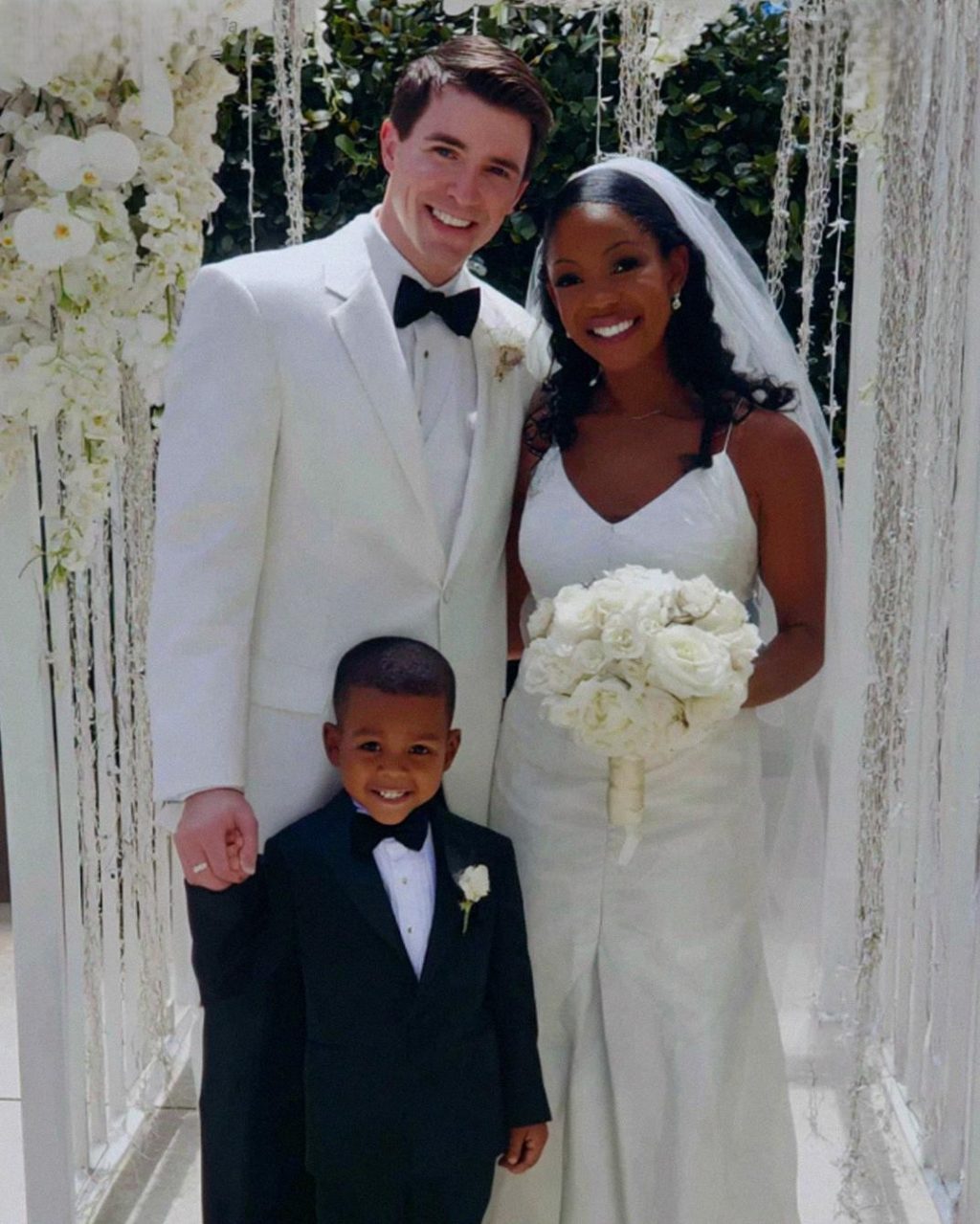
My mother disowned me for marrying a single mom. She laughed at the life I chose — and then broke down when she finally saw it three years later.
My father left when I was five years old. One day he was there, the next day he was gone, and he never really looked back. After that, it was just me and my mother.
She raised me alone, but not gently.
She came from money, from a family that believed success was something you measured, displayed, and protected at all costs. Love, in her world, was conditional. Approval had to be earned.
From the time I could remember, I wasn’t really her son — I was her project.
Private schools. Tutors. Piano lessons I hated. Summers planned around what would “look good later.” Every decision about my life felt like it was being made for a future version of me I hadn’t agreed to become.
She used to call it sacrifice.
I learned later it was expectation.
By the time I was twenty-seven, I had a decent job, no debt, and a life that looked good on paper. That mattered to her more than whether I was happy.
That was when I met Anna.
Anna didn’t fit into my mother’s world in any way that mattered to her.
She was a single mom, raising her seven-year-old son on her own. She worked nights at a medical clinic, came home exhausted, and drove a car that made a noise every time she turned the key. She didn’t wear expensive clothes. She didn’t try to impress anyone.
What she did have was patience. And kindness. And a laugh that made the room feel warmer.
When I introduced her to my mother, I already knew it wouldn’t go well. I just didn’t expect it to be that bad.
My mother barely looked at her.
She didn’t ask about her job.
Didn’t ask about her son.
Didn’t ask how we met.
Instead, she looked at me and said flatly, “She comes with baggage.”
Then she gestured vaguely toward Anna, like she was pointing out a flaw in a used car.
“And you’re throwing your future away.”
Anna sat there quietly, eyes down, hands folded in her lap. I could feel her shrinking beside me, and something inside me snapped.
When I told my mother we were getting married anyway, she stood up slowly, straightened her blazer, and said in the calmest voice imaginable:
“If you marry her, don’t ever ask me for anything again. You’re choosing that life.”
That life.
Like happiness was a downgrade.
So I chose it.
We moved into a small rental on the edge of town. Nothing fancy. No granite countertops. No designer furniture. But it was clean, safe, and ours.
We weren’t rich, but we were stable.
The bills were paid.
The fridge was full.
The house was quiet in that peaceful, lived-in way.
Anna never complained — not about money, not about work, not about what we didn’t have. She was just grateful. And so was I.
A few months after we moved in, something happened that changed everything.
Her son was struggling with homework, getting frustrated and close to tears. I sat down next to him and helped him through it, step by step. When we finished, he looked up at me and said, very casually, “Thanks, Dad.”
The room went completely still.
Anna froze. I froze.
He didn’t even realize what he’d said. He just went back to coloring like it was the most natural thing in the world.
Later that night, Anna apologized through tears. She said she’d talk to him, that she didn’t want to put pressure on me.
I told her not to.
Because I wasn’t scared.
I was proud.
Three years passed without a word from my mother.
No calls.
No holidays.
No acknowledgment that I existed.
Then, last week, my phone rang.
It was her.
“I heard you have… a family now,” she said carefully, like she was testing the words. “I’m in town. I’ll stop by tomorrow. I want to see how badly you’ve ruined your life.”
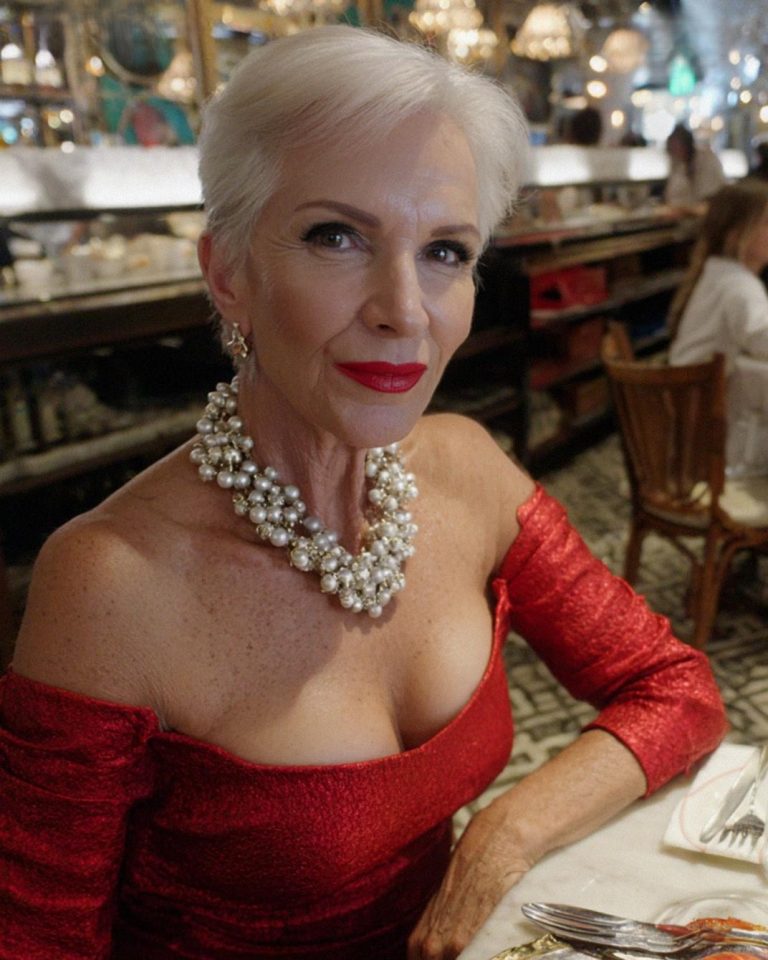
She arrived the next afternoon exactly on time. Perfectly dressed. Hair immaculate. The same sharp eyes that used to scan rooms for flaws.
She stepped inside our home.
She looked around.
At the family photos on the wall.
At the small shoes by the door.
At Anna laughing with her son in the kitchen.
Then her hand reached out and grabbed the doorframe.
Her voice broke into a whisper.
“Oh my God… what is this?”
I thought she meant the house.
But she didn’t.
She was staring at the table — homework spread out, crayons everywhere, a half-finished puzzle. At the noise. The warmth. The life.
“This… this feels like a home,” she said quietly.
Anna didn’t say a word. She just smiled politely and went back to stirring the pot on the stove.
My mother sat down slowly.
She watched me help my son with his jacket. Watched him lean into me without hesitation. Watched the way Anna looked at me — not with need, but with trust.
And then she started crying.
Not dramatic tears. Not performative ones.
The kind you can’t stop.
“I thought you’d fail,” she said. “I thought you’d struggle. I thought you’d come back.”
I nodded. “I didn’t need to.”
She looked at me then, really looked at me, and whispered, “You look happy.”
“I am,” I said.
For the first time in my life, that was enough.