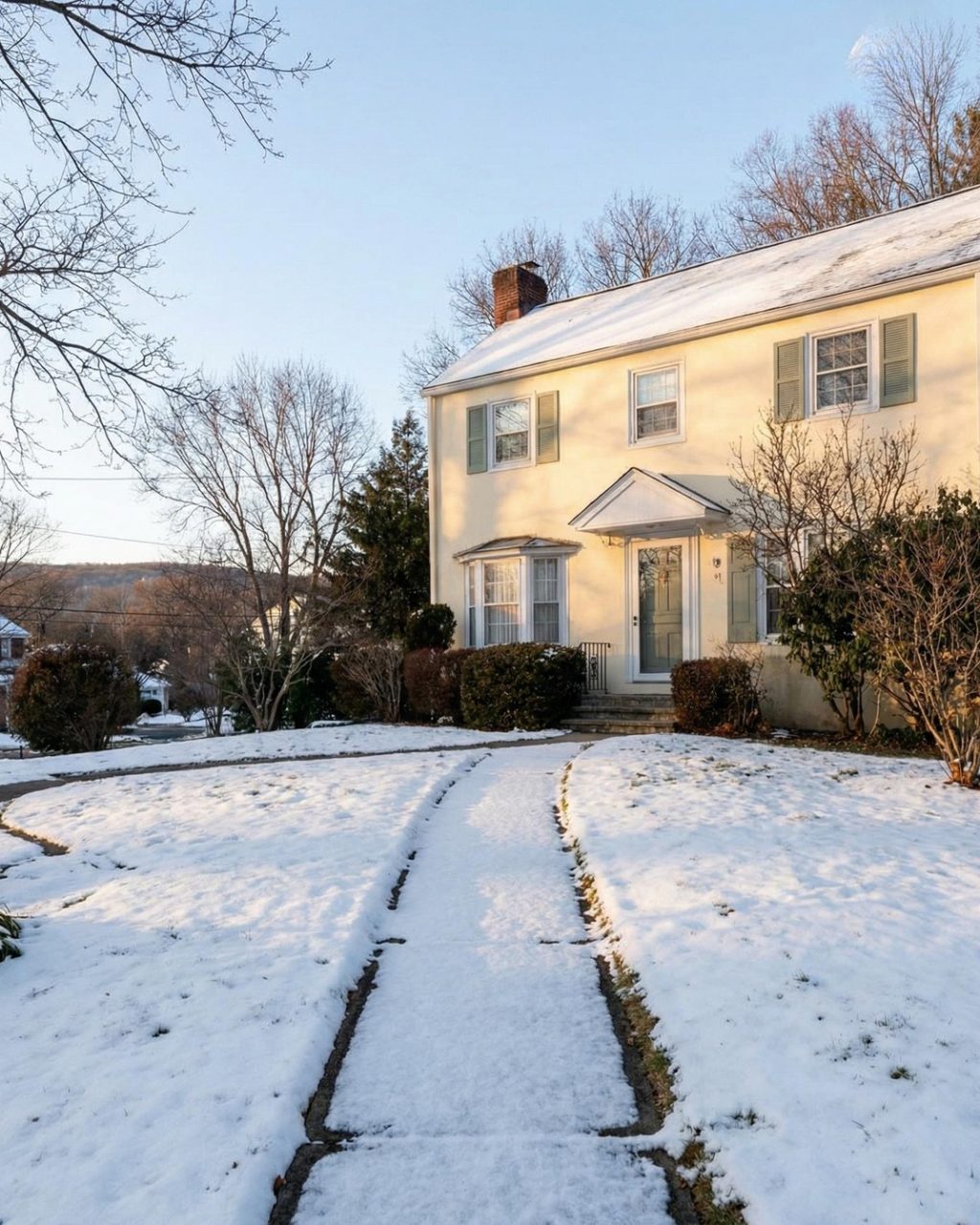
I inherited our family home after my dad passed away.
My mom and my brother each received $10,000.
Mom was furious.
She didn’t say it outright, but it hung in the air — the way she sighed dramatically, the way she corrected me when I referred to the place as my house. She couldn’t legally do anything about it, so instead she acted like nothing had changed. Like the house was still hers.
For almost a year, I let it go.
I was grieving. Tired. Trying to keep the peace. I told myself it was temporary — that everyone was just adjusting.
Then came the rainy afternoon that changed everything.
I came home from class to find unfamiliar shoes by the door. Luggage in the hallway. My brother Tyler and his wife Gwen sitting on the couch like they’d always lived there.
No call. No warning. No conversation.
Mom stood behind them, arms crossed, already defensive.
“They needed a place for a bit,” she said flatly. “I told them it was fine.”
Fine.
They were rude from day one. Left messes everywhere. Never offered a dollar toward bills. Never cleaned. Never thanked me. And Mom backed them up every single time.
When I finally told them they needed to move out, Gwen rested a hand on her stomach, smiled — actually smiled — and said,
“Well… I’m pregnant. Guess we won’t be going anywhere now.”
They laughed.
I didn’t.
The months that followed were exhausting in ways I didn’t know a home could be. Mom insisted I treat Gwen “like a princess.” Gwen helped herself to everything — groceries I bought, snacks I labeled, even the birthday cupcakes my friend had made just for me.
Every complaint was twisted into proof of my “selfishness.”
Every boundary became an insult.
The breaking point came on a Thursday.
I’d been up since before sunrise, racing to finish a project for my business class before heading straight into my part-time job at a consultancy firm. I skipped breakfast. Didn’t pack lunch. Told myself I’d eat later.
By the time I got home, I was lightheaded with hunger.
I made mushroom pasta — my dad’s recipe. The one he used to make on quiet nights when he wanted everyone at the table. The smell alone almost made me cry.
I set it on the counter to cool and stepped away for five minutes to answer an urgent email.
When I came back, Gwen was sitting at the table.
Three-quarters of my dinner was gone.
“Gwen?” I said, my voice shaking. “What are you doing?”
She dabbed her mouth and sniffled. “I was hungry.”
“I haven’t eaten all day,” I said. “That was my dinner.”
Her face collapsed instantly into tears. “I’m pregnant! I needed to eat!”
“Then make your own food,” I snapped. “You’re pregnant, not paralyzed!”
That’s when Tyler charged in, followed by Mom.
“What is wrong with you?” he shouted, stepping in front of Gwen like she needed protection.
“She ate my dinner,” I said. “I worked all day. I’m starving.”
“Oh, boo-hoo,” he mocked. “Gwen is carrying your niece or nephew. She needs proper nutrition.”
“So do I!” I yelled, tears spilling over.
Mom stepped forward, her face twisted with fury.
“You selfish girl. How dare you scream at a pregnant woman over food? Your father would be ashamed of you.”
That was the moment something inside me went quiet.
Tyler pointed toward the door.
“Get out. Get out of this house and don’t come back until you apologize.”
I looked around — at the walls my dad painted, the floor he refinished himself, the kitchen where he taught me how to cook.
And I realized something painful and freeing at the same time:
This wasn’t home anymore.
I didn’t scream. I didn’t argue.
I walked into my room, grabbed a backpack, my laptop, my charger, and the folder with the house deed inside it. I left without another word.
I slept on a friend’s couch that night. And the next morning, I called a lawyer.
Two weeks later, I came back — not to beg, but with paperwork.
I gave them thirty days’ notice. Official. Legal. Non-negotiable.
Mom cried. Tyler yelled. Gwen accused me of “throwing a pregnant woman onto the street.”
I didn’t waver.
For the first time since my dad died, I chose myself.
They moved out exactly on the thirtieth day, slamming doors and calling me heartless all the way.
The house was silent afterward.
Too quiet.
But slowly, it became peaceful.
I cleaned every room. Donated what they left behind. Repainted the walls. Cooked my dad’s pasta again — this time sitting at the table, eating it warm, uninterrupted.
Mom didn’t speak to me for months.
Then one day, she called.
“I didn’t think you’d really do it,” she said.
“I didn’t either,” I replied. “But I had to.”
She hasn’t apologized. Not really.
But I’ve learned something important since then:
Losing someone you love doesn’t mean you owe everyone else your life.
And sometimes, the hardest inheritance isn’t a house —
it’s learning who you have to stop letting live in it.