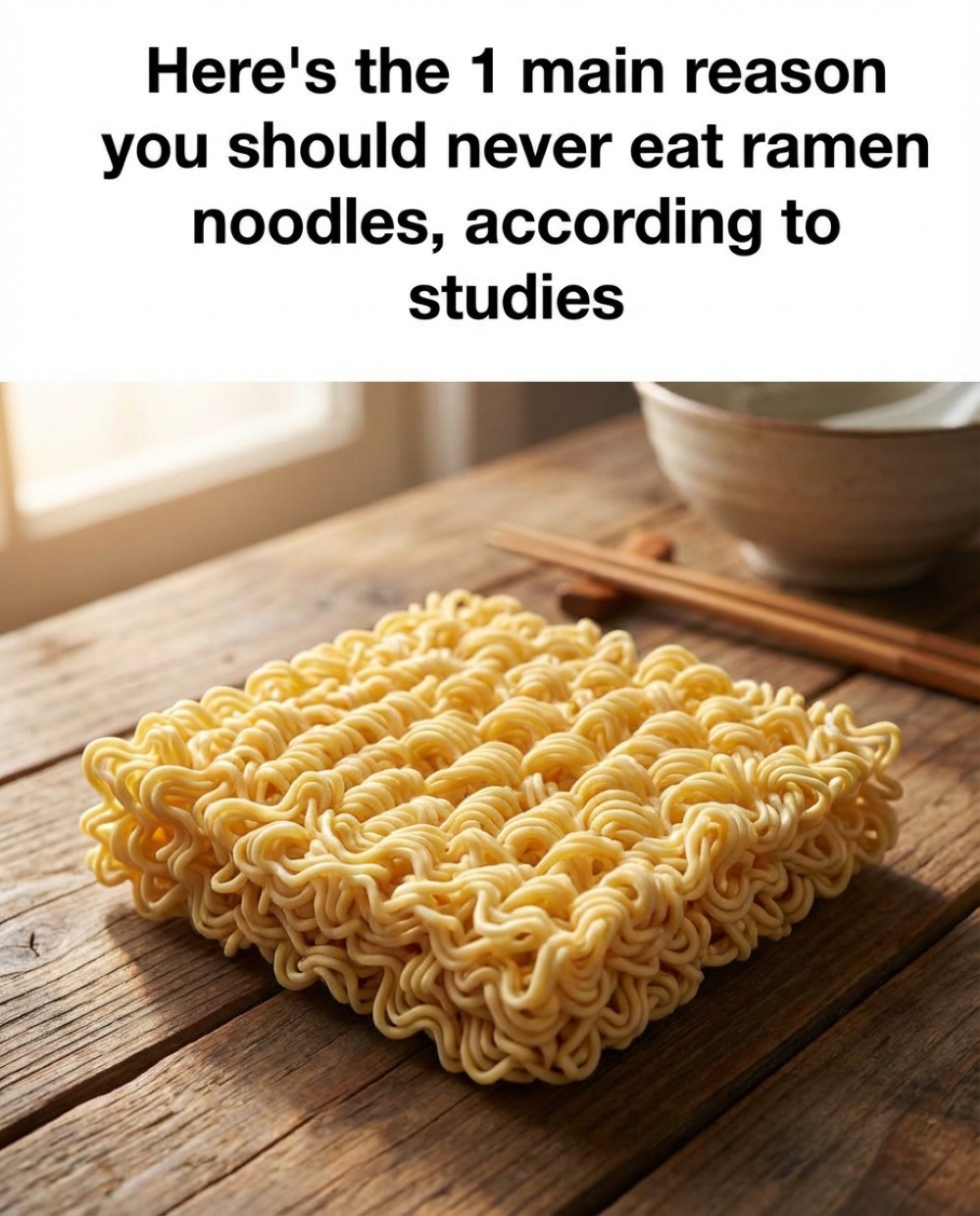
Ramen noodles are a college favorite, a late-night staple, and one of the cheapest comfort foods on the planet. But while they’re quick, tasty, and convenient, several studies have revealed important health concerns that every ramen-lover should know. The good news? With a few smart changes, you can still enjoy them — without sacrificing your health.
Below are the 10 key things to know about ramen noodles, followed by simple tips for making them a healthier option.
1. They’re Extremely High in Sodium
A single block of ramen, especially with the seasoning packet, can contain well over 1,500–1,800 mg of sodium — almost the entire daily limit recommended by doctors.
High sodium intake is linked to:
- High blood pressure
- Increased risk of stroke
- Kidney problems
- Fluid retention
2. The Seasoning Packet Is the Real Culprit
The noodles themselves aren’t as harmful — it’s the seasoning pouch filled with:
- Monosodium glutamate (MSG)
- Salt
- Artificial flavors
- Preservatives
These ingredients can contribute to headaches, dehydration, and digestive discomfort in some people.
3. They’re Deep-Fried Before Packaging
Many instant noodles are pre-fried to extend shelf life.
This adds:
- Saturated fats
- Trans fats
- Extra calories
Studies link diets high in these fats to increased heart disease risk.
4. Ramen Is Low in Nutrients
Instant ramen is:
- Low in protein
- Low in fiber
- Low in vitamins and minerals
- High in carbs
This combination leaves you full briefly — then hungry again soon after.
5. They May Contain Additives Linked to Inflammation
Certain preservatives used in instant noodles have been associated with:
- Digestive irritation
- Allergic reactions
- Increased inflammation in some individuals
While FDA-approved, frequent consumption may still cause problems over time.
6. Ramen Can Disrupt Blood Sugar Levels
Because they’re made from refined white flour, ramen noodles cause rapid blood sugar spikes. This can lead to:
- Fatigue
- Increased hunger
- Difficulty managing diabetes
- Weight gain over time
7. Frequent Consumption Is Linked to Health Risks
Some studies found that people who regularly eat instant noodles are more likely to:
- Gain weight
- Develop metabolic syndrome
- Experience digestive issues
Women appear to be more affected than men, possibly due to hormonal differences.
8. Ramen Contains TBHQ (a Petroleum-Based Preservative)
Tertiary-butylhydroquinone (TBHQ) helps keep ramen shelf-stable for months or even years.
High doses of TBHQ have been linked to:
- Liver enlargement in animals
- Neurotoxicity
- DNA damage in extreme cases
Typical human intake is low, but frequent ramen consumption increases exposure.
9. Ramen Takes Longer to Digest
Some videos and studies show instant noodles remaining intact in the stomach longer than homemade pasta.
This can cause:
- Bloating
- Indigestion
- Slower nutrient absorption
10. They’re Not Designed for Regular Consumption
Instant noodles were designed as emergency food, not daily meals.
Eating them occasionally is okay — eating them every day is not.
How to Make Ramen Noodles Healthier
Don’t worry — you don’t have to give up ramen forever. Just use these tips:
1. Throw Away (or Halve) the Seasoning Packet
Replace with:
- Low-sodium broth
- A pinch of salt
- Garlic and onion powder
- Soy sauce (sparingly)
- Chili paste
- Lemon or lime
2. Add Protein
Protein helps stabilize blood sugar and keeps you full longer. Try adding:
- Eggs
- Chicken
- Tofu
- Shrimp
- Lean beef
3. Add Vegetables
Boost nutrients, fiber, and flavor with:
- Spinach
- Mushrooms
- Corn
- Peas
- Carrots
- Broccoli
4. Switch the Noodles
You can swap the instant noodles for:
- Rice noodles
- Whole wheat noodles
- Shirataki noodles
- Soba noodles
Use the original ramen seasoning (in moderation) for the flavor you love.
5. Make a Simple Homemade Ramen Broth
Simmer:
- Garlic
- Ginger
- Soy sauce
- Sesame oil
- Chicken or veggie broth
This transforms ramen into a healthier, filling dish.
6. Choose Air-Dried Ramen
Brands now offer air-dried (not fried) instant noodles. They contain:
- Less fat
- Fewer preservatives
- Cleaner ingredients
Final Thoughts
Ramen noodles aren’t “forbidden” — but they’re not a balanced meal on their own. The main health concern is:
Instant ramen is high in sodium, low in nutrients, and contains additives that aren’t ideal for regular consumption.
Enjoy ramen occasionally — and when you do, boost it with real ingredients, real nutrients, and real flavor.
Your body will thank you.