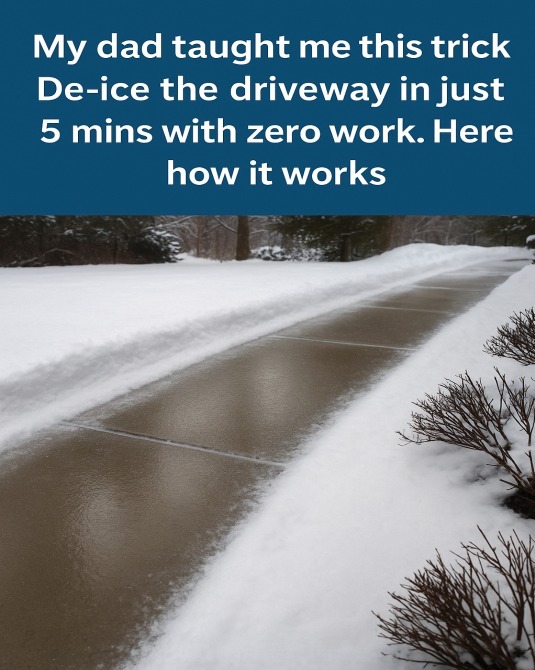
Winter brings beautiful scenery—but also dangerous, slippery walkways that can lead to serious injuries. Each year, thousands of people suffer falls due to icy sidewalks, steps, and driveways. The good news? With the right preparation and a few simple strategies, you can keep your walkways safe, clear, and ice-free all season long.
Below are practical, effective tips that homeowners, renters, and business owners can use to prevent dangerous ice buildup.
1. Shovel Early and Often
The moment snow starts to fall, it’s best to begin clearing it. Fresh snow is lighter and much easier to remove. Allowing snow to sit overnight can lead to compacted layers that quickly turn into ice.
Tip:
Don’t wait until all the snow has stopped—shovel in intervals to stay ahead of accumulation.
2. Use Ice Melt Strategically
Ice melt products are essential for preventing slippery surfaces. They work by lowering the freezing point of water and breaking apart ice.
Most effective types include:
- Calcium chloride – works in extremely cold temperatures
- Magnesium chloride – gentler on surfaces and pet-friendly
- Rock salt (sodium chloride) – affordable but less effective in deep cold
Important:
Apply ice melt before snowfall when possible to prevent snow from freezing to the ground. After shoveling, reapply a thin layer to maintain grip.
3. Sand or Kitty Litter for Added Traction
If ice melt isn’t available—or temperatures are too low for it to work—sand, kitty litter, or even coffee grounds can provide traction.
These materials won’t melt ice, but they do reduce slipping significantly.
4. Keep Gutters and Downspouts Clear
Clogged gutters can cause meltwater to overflow and freeze onto walkways, creating sheets of ice.
Make sure your gutters:
- Are free of leaves and debris
- Direct water away from walking paths
- Are angled properly to avoid drainage problems
Tip:
Install gutter extensions to redirect water away from driveways and sidewalks.
5. Treat Problem Areas With Anti-Slip Mats
Outdoor anti-slip rubber mats are excellent for:
- Porch steps
- Entryways
- Short walkway sections
- Steep inclines
They provide instant traction and can be left in place all winter.
6. Consider a Snow-Melting System
For those living in heavy-snow regions, heated driveway or walkway systems are an investment that delivers convenience and safety.
These systems:
- Melt snow on contact
- Prevent ice formation
- Reduce the need for constant shoveling
They can be electric or hydronic (heated water pipes), depending on your preference.
7. Use a Snow Blower Correctly
A snow blower can save major time and effort, especially for long walkways or large driveways.
For best results:
- Clear snow while it’s still fresh
- Avoid blowing snow toward the street (it can blow back)
- Keep the chute facing a direction where snow pileup won’t refreeze overnight
8. Break Up Ice With a Metal Ice Scraper
When thick ice forms, shovels won’t cut it. A metal ice chopper or scraper can break through solid layers.
After breaking the ice:
- Remove loose chunks
- Apply ice melt to prevent refreezing
9. Use Snow Fencing to Reduce Drifting
In windy areas, snow can blow onto paths even after they are cleared. Installing a snow fence or even temporary barriers can significantly reduce drifting.
10. Light Your Walkways
Visibility is crucial on icy nights.
Use:
- Solar pathway lights
- LED step lights
- Motion-sensor floodlights
They help spot ice patches before accidents happen.
Final Thoughts
Keeping walkways safe in winter isn’t just about convenience—it’s about protecting yourself, your family, and anyone who steps onto your property. With these simple preventive steps, you can dramatically reduce the risk of slips and falls while making winter much more manageable.
Regular maintenance, early preparation, and the right materials can make all the difference. Stay safe, stay warm, and keep those walkways clear!